
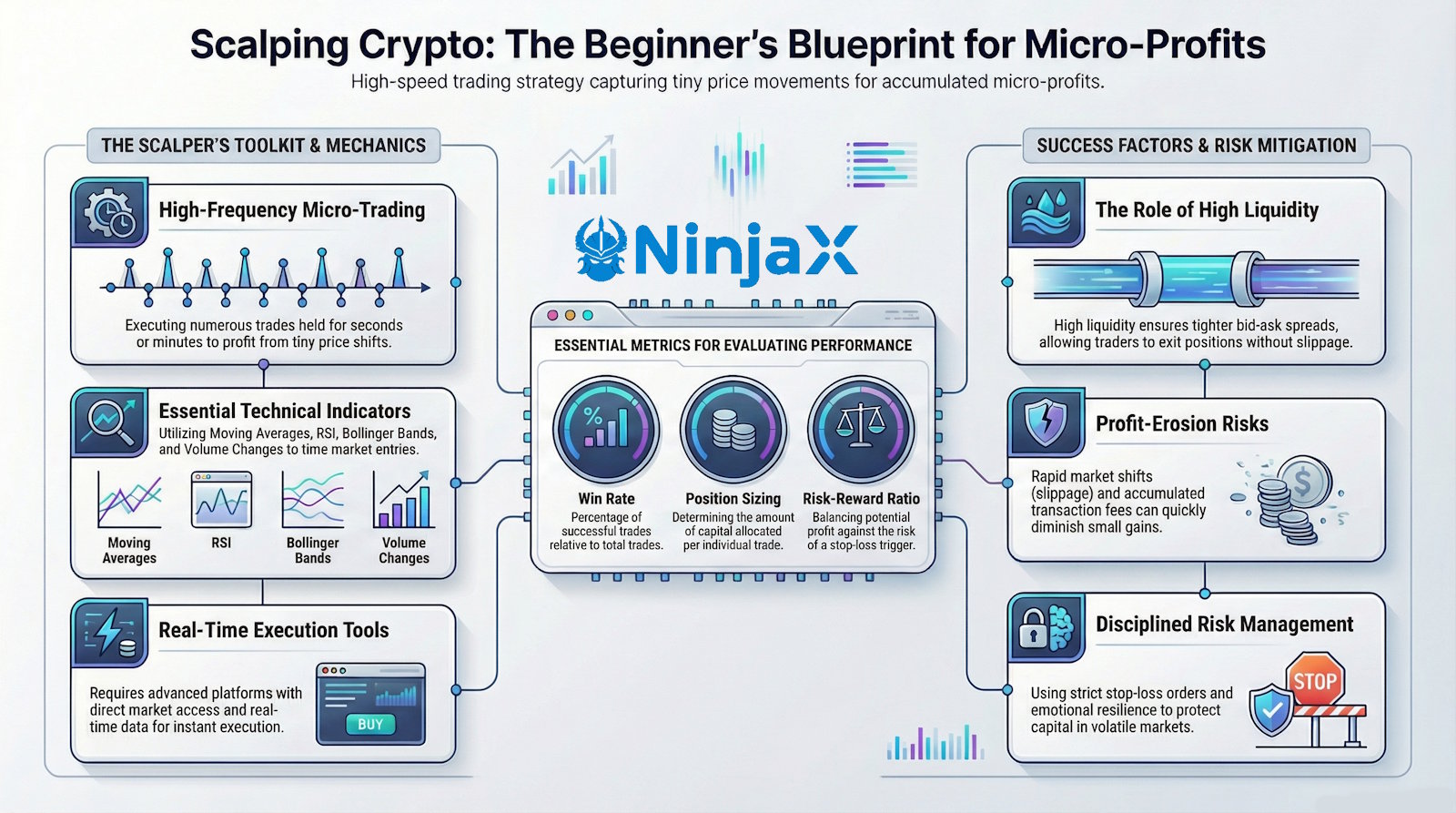
Mastering the Art of Scalping in Cryptocurrency Trading
What is Scalping and How Does it Function?
Scalping is a dynamic trading strategy that involves executing numerous small trades to capitalize on small price fluctuations in cryptocurrency markets. Traders who adopt this approach typically hold their positions for mere seconds or minutes, which necessitates rapid decision-making and constant vigilance in monitoring the market to seize moments of volatility. This trading style requires a disciplined focus on trading habits, as success largely depends on the ability to respond swiftly to market shifts while effectively managing risks.
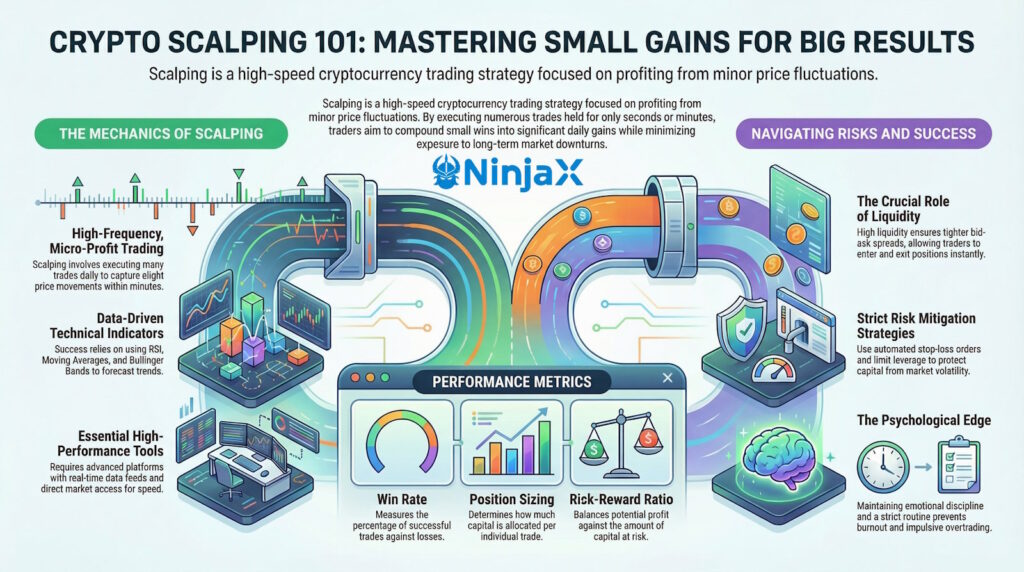

Scalpers target modest profit margins with each trade, and the cumulative effect of numerous successful trades can lead to substantial financial gains. This method starkly contrasts with long-term investment strategies, in which traders may hold assets for extended periods, often anticipating larger price movements. By homing in on micro-trends and executing trades quickly, scalping can be an attractive strategy for those who excel in high-pressure trading environments.
How Can You Spot Scalping Opportunities?
Identifying scalping opportunities involves a thorough analysis of short-term charts and patterns to accurately forecast price movements. Effective scalpers employ an array of technical indicators that provide valuable insights for making informed entry and exit decisions. Some critical indicators include:
- Moving Averages
- Volume Changes
- Relative Strength Index (RSI)
- Bollinger Bands
- Support and Resistance Levels
- Order Flow Analysis
By integrating these indicators into their trading strategies, traders can construct a robust framework to pinpoint the most advantageous moments to execute trades, thereby enhancing their chances of success. Risk management is equally vital; scalpers often set stop-loss limits to protect their capital against unexpected losses, underscoring the importance of maintaining discipline in their trading.
Essential Tools Every Scalper Needs
To excel at scalping, traders must use advanced trading platforms paired with real-time data feeds to enable rapid trade execution. Leveraging these technologies significantly improves efficiency in capturing fleeting market movements. Essential tools include customizable charts, advanced order types, and direct market access, which empower scalpers to implement their strategies effectively.
Understanding how to maximize the features of these tools not only enhances trading speed but also helps traders minimize emotional influences that can be detrimental in the fast-paced trading arena. A successful scalper dedicates time to mastering their chosen platform, ensuring they can use its functionalities to their fullest potential, thereby gaining a competitive advantage in the markets.
How Does Scalping Operate in Practice?
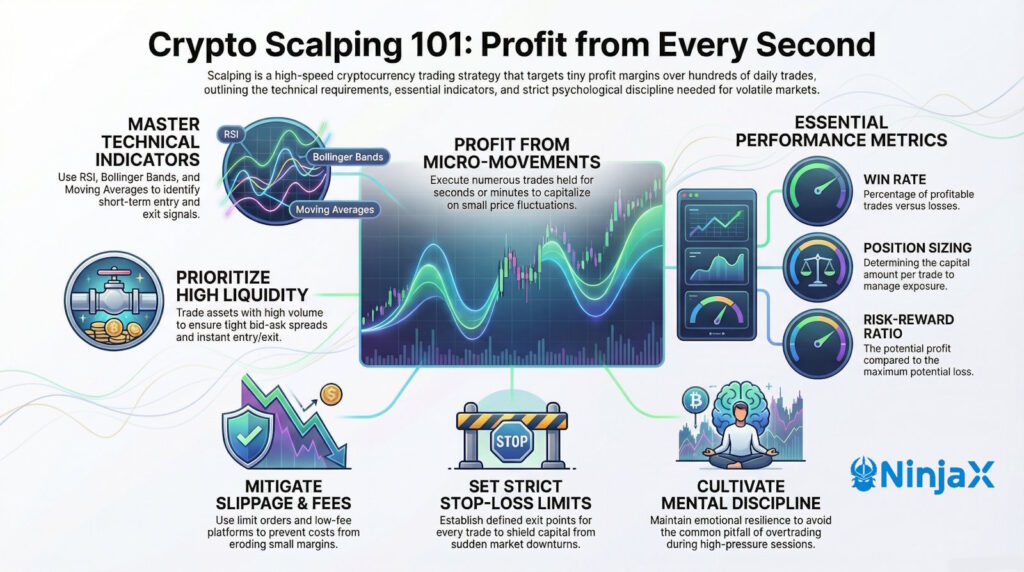
Breaking Down Scalping Mechanics
The operational mechanics of scalping heavily depend on executing rapid buy and sell orders grounded in technical analysis. Traders exploit the bid-ask spreads, achieving small yet consistent profits by conducting numerous trades each day. This strategy requires traders to maintain a neutral stance toward market direction; the primary goal is to benefit from minor price shifts rather than anticipate market trends.
Successful scalping requires a strong grasp of market mechanics and the ability to interpret signals quickly. Traders frequently employ high-frequency trading algorithms to execute their strategies, enabling them to respond instantly to market fluctuations. This method underscores the importance of speed and accuracy, as even the slightest execution lag can dramatically affect overall profitability.
What Key Factors Affect Scalping Success?
Achieving success in scalping hinges on several pivotal factors, including liquidity, execution speed, and current market conditions. Liquidity plays a crucial role, as it dictates how readily a trader can enter and exit positions without causing significant market price changes—generally, high liquidity results in tighter bid-ask spreads, which is advantageous for scalpers.
Additional factors influencing scalping effectiveness encompass:
- Order Book Depth
- Execution Speed
- Volatility Levels
- Market Sentiment
Moreover, traders must remain acutely attuned to market dynamics, as sudden fluctuations can either present lucrative opportunities or precipitate losses. A comprehensive understanding of these aspects enables traders to adapt their strategies in real time, thereby enhancing their likelihood of achieving successful outcomes.
Exploring Popular Scalping Techniques
Popular scalping techniques encompass a variety of strategies, from arbitrage, where traders exploit price discrepancies across exchanges, to momentum trading, which focuses on acquiring assets with upward price trends. Each technique requires a distinct approach and a deep understanding of market behavior.
To effectively leverage these methods, traders can adopt actionable strategies such as:
- Utilizing real-time news feeds to uncover potential market shifts
- Employing technical analysis tools to sharpen entry and exit strategies
- Monitoring order flow to detect signs of buyer or seller dominance
- Maintaining disciplined risk management by establishing strict stop-loss orders
By remaining agile and responsive to the evolving dynamics of the crypto market, traders can sustain their competitive edge, ensuring their scalping strategies align with contemporary market conditions.
Expert Insights into the Mechanics of Scalping in Crypto Trading
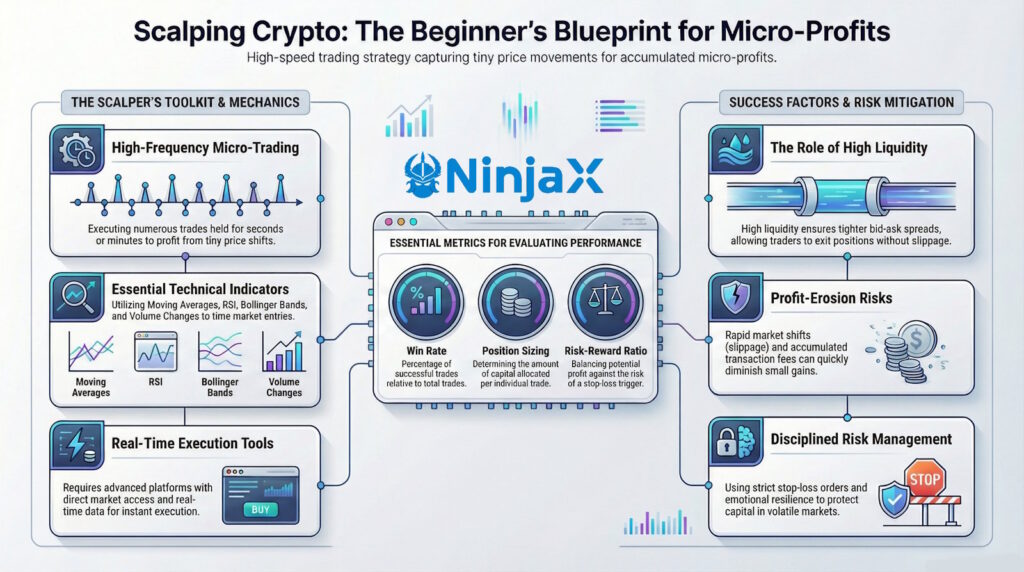
Diving Deeper into Advanced Scalping Concepts
Advanced scalping concepts often integrate algorithmic trading strategies that enable professional traders to execute trades with greater precision and speed. Real-world scenarios demonstrate how experienced scalpers utilize algorithms to detect patterns and fine-tune their trading results. For example, certain traders use machine learning models to analyze historical price data, enabling them to identify subtle trends that might elude traditional analysis methods.
This comprehensive understanding of intricate strategies is vital for minimizing losses in fast-paced trading environments. Mastering pattern recognition becomes an invaluable asset, as traders learn to pinpoint setups that yield consistent returns. By prioritizing data-driven methodologies, seasoned scalpers can continually refine their approaches, enhancing their performance in the marketplace.
What Challenges Do Scalpers Face?
Scalpers confront various challenges, including slippage and transaction fees, which can diminish profits if not managed effectively. Slippage arises when market prices shift rapidly, causing orders to execute at prices different from those anticipated. This phenomenon can significantly impair profitability, particularly in the highly volatile cryptocurrency trading landscape.
Expert insights reveal strategies to mitigate these challenges by selecting trading platforms that minimize slippage and implementing robust risk management frameworks. Additionally, traders should be cognizant of how frequently trading fees can accumulate and affect overall returns. By proactively addressing these concerns, scalpers can sustain their performance and work toward long-term success.
Why is Scalping So Attractive to Traders?
The allure of scalping primarily stems from its potential for rapid financial gains. Many traders are captivated by the exhilarating pace of scalping, where the thrill of executing multiple trades within a single day can be immensely rewarding. However, this speed also demands a high level of psychological discipline.
Grasping the psychological dimensions of trading is paramount for scalpers. The intensity of frequent trading can pose emotional challenges, making it essential for traders to cultivate effective coping strategies. Successful scalpers often incorporate techniques such as adhering to a strict trading plan and taking regular breaks to prevent burnout. By cultivating a disciplined mindset, traders can adeptly navigate the emotional highs and lows of scalping.
What Are the Key Benefits of Scalping?
Exploring the Advantages for Daily Traders
The benefits of scalping for daily traders are diverse and compelling. One significant advantage is the increased frequency of trade, which can lead to compounded profits over time. By engaging in multiple trades throughout the day, traders can take advantage of minor price movements, ultimately resulting in substantial financial gains. This method is particularly favorable for those who actively monitor market conditions, as it presents opportunities in rapidly changing scenarios.
Moreover, scalping provides flexibility in volatile markets. Traders can promptly adjust their strategies in response to real-time price activity, enabling them to seize short-term opportunities that may remain elusive for longer-term investors. This adaptability characterizes successful scalping, ensuring that traders remain responsive to market fluctuations.
How Does Scalping Mitigate Long-Term Risks?
By concentrating on short holding periods, scalping effectively limits exposure to significant market downturns. This strategy inherently reduces the risks associated with holding assets for extended periods, during which abrupt price drops can lead to major losses. Scalpers employ techniques that enhance resilience against broader market swings, allowing them to navigate fluctuations more adeptly.
Additionally, scalping fosters a disciplined trading approach, as traders set clear rules and strategies for entering and exiting positions. This disciplined mindset further safeguards capital, minimizing the emotional decision-making that often afflicts long-term trading strategies. By committing to short-term trades, scalpers can protect their investments while seizing quick profit opportunities.
What Factors Influence Profitability in Scalping?
Factors such as optimal timing and market comprehension can substantially enhance profitability in scalping. Timing is crucial, as traders must execute trades at the most advantageous moments to maximize returns. Key profitability metrics to consider include:
- Win Rates
- Position Sizing
- Risk-Reward Ratios
- Average Trade Duration
By systematically analyzing these elements, traders can fine-tune their strategies for improved overall performance. Monitoring these metrics also facilitates continuous enhancement over time, empowering scalpers to adapt their techniques to the ever-changing market conditions.
Psychological Benefits of Engaging in Scalping
Participating in scalping fosters mental discipline and sharp focus. The rapid nature of this trading style demands quick decision-making under pressure, significantly enhancing a trader’s psychological resilience. By refining this skill, traders can reduce emotional trading mistakes, developing a robustness that is beneficial in both scalping and broader trading contexts.
Furthermore, the high-frequency trading environment encourages the cultivation of rapid analytical abilities. Traders learn to assess market conditions swiftly, which enhances their overall trading proficiency. This mental sharpening can lead to improved performance across various trading scenarios, further underscoring the psychological advantages associated with scalping.
Why is Scalping Effective in Volatile Markets?
In high-volatility environments, scalping enables traders to capitalize on frequent price fluctuations for quick profits. This strategy proves especially valuable in cryptocurrency markets, where prices can fluctuate dramatically within just minutes. Scalpers effectively manage their risk by limiting their exposure duration, which helps mitigate the risk of significant downturns.
Moreover, scalping in volatile markets necessitates a nuanced comprehension of price action. Traders must adjust their strategies to capitalize on short-term opportunities while avoiding prolonged market risks. This flexibility is essential for maintaining profitability in unpredictable conditions, allowing traders to thrive despite market turbulence.
Proven Strategies for Mastering Scalping in Crypto Trading
Implementing Effective Entry and Exit Strategies
Establishing effective entry and exit methods is vital for achieving success in scalping. Traders can utilize technical indicators to time their entries precisely, ensuring they capture favorable price movements. For instance, employing moving averages as signals can offer insights into potential entry points. Strategies may include:
- Observing price movements around critical support and resistance levels
- Executing trades when momentum indicators align with price action
- Utilizing limit orders for entry to control execution prices
- Establishing profit targets based on recent price behaviors
By adopting data-driven strategies, traders can improve their execution and effectively lock in profits. This methodical approach serves as a solid foundation for newcomers eager to master the intricacies of scalping.
Adapting Scalping Strategies to Different Market Conditions
Adjusting scalping strategies to accommodate varying market conditions is crucial for achieving consistent results. Different market environments, whether trending or ranging, necessitate distinct tactics to optimize profitability. In trending markets, traders may focus on riding the momentum, while in ranging markets, they can capitalize on price fluctuations between established support and resistance levels.
Experts advocate tailoring approaches to asset behavior. For example, during a bull market, traders may seek buy opportunities as prices rise, whereas in bear markets, short-selling strategies might be employed. Understanding market dynamics and adjusting tactics accordingly is essential for sustaining success in scalping.
Evaluating the Performance of Scalping Strategies
Assessing strategy performance is crucial for any scalper committed to improving their trading approach. Tracking metrics such as return on investment (ROI) allows traders to gauge the efficacy of their tactics over time. Regular performance analysis yields insights into successful strategies as well as areas that require refinement.
Moreover, backtesting is a valuable tool for refining tactics. By applying historical data to their strategies, traders can simulate potential outcomes and optimize their methods. This ongoing feedback loop promotes long-term effectiveness, enabling scalpers to adapt their approaches to the constantly evolving cryptocurrency market landscape.
What Risks Are Associated with Scalping?
Common Mistakes Made by Scalpers
Common scalping errors can lead to substantial losses if not recognized and addressed promptly. Overtrading can occur when traders become overly eager to capitalize on opportunities, leading to emotional decision-making during high-stakes trading sessions. This impulsiveness often leads to poorly executed trades that stray from established strategies.
Additionally, neglecting to adhere to risk management principles can exacerbate these issues. Maintaining a clear understanding of individual limits and sticking to them is crucial for avoiding the emotional turmoil that frequently accompanies trading. Being aware of these pitfalls is vital to fostering a disciplined approach to scalping, enabling traders to navigate market complexities effectively.
What Strategies Can Help Mitigate Scalping Risks?
Reducing scalping risks involves implementing several protective measures to enhance trading security. One fundamental strategy is to establish stop-loss orders that limit potential losses on trades. Additionally, diversifying trading strategies can act as a safeguard against the volatility characteristic of crypto markets. By diversifying across different assets or trading techniques, traders can spread risk and mitigate the impact of adverse price movements.
Another essential aspect of risk mitigation is the continuous monitoring of market conditions. Staying informed about news and developments that may influence the cryptocurrency landscape allows traders to react swiftly to changes, minimizing exposure to unfavorable situations. Using these strategies can significantly enhance a trader’s ability to manage the inherent challenges of scalping.
Understanding the Impact of Market Volatility
The effect of market volatility on scalping is substantial. Volatility can amplify risks, complicating the execution of trades at desired prices. Understanding how volatility influences trading outcomes is vital for preparing for unpredictable price fluctuations in cryptocurrencies. Scalpers must remain agile and responsive to these changes to seize opportunities while protecting their investments.
Moreover, anticipating volatility can help traders identify potential breakouts or reversals before they materialize. By closely observing market sentiment and price action, scalpers can strategically position themselves to benefit from rapidly changing trends. This proactive approach is critical for maintaining profitability in a highly dynamic trading environment.
The Risks Associated with Using Leverage in Scalping
Utilizing leverage in scalping can significantly amplify both potential gains and losses. While leverage enables traders to control larger positions with less capital, it also introduces elevated risks. In volatile cryptocurrency markets, even slight price shifts can result in substantial losses if not managed judiciously.
Traders must evaluate their risk tolerance and establish appropriate position sizes to avoid margin calls and significant account drawdowns. Implementing stringent risk management strategies, such as limiting leverage and maintaining adequate capital reserves, is essential for navigating the challenges of leveraged trading. By practicing caution and discipline, traders can mitigate the risks associated with leverage while still reaping its potential rewards.
Managing Slippage and Execution Risks in Crypto Trading
Slippage occurs when orders execute at prices different from those anticipated, often due to rapid market movements. In the context of crypto scalping, slippage can significantly affect overall profitability, as traders typically operate on narrow margins. Employing advanced order types, such as limit orders, can help minimize slippage and ensure trades align with intended strategies.
Furthermore, monitoring liquidity is vital for reducing execution risks. Traders should be aware of the liquidity available in the markets they participate in, as low liquidity can lead to greater price discrepancies during order execution. By implementing these strategies and maintaining acute awareness of market conditions, traders can mitigate unexpected losses and improve overall trading efficacy.
Strategies for Successful Scalping
Creating a Consistent Scalping Routine
Establishing a daily scalping routine is crucial for promoting consistency and discipline in trading practices. Traders should designate specifictrading specific trading hours in a structured environment that fosters focus and informed decision-making. By adhering to a routine, scalpers can cultivate habits that support successful trading outcomes.
In addition, incorporating regular reviews of trades into the routine can facilitate continuous learning and skill enhancement. Analyzing past trades allows traders to identify patterns, refine their strategies, and adapt to evolving market conditions. This commitment to routine not only boosts performance but also cultivates confidence, enabling traders to navigate market complexities more effectively.
What Skills Are Indispensable for Effective Scalpers?
Critical skills for scalpers include rapid analysis and patience, both essential for making informed decisions in competitive trading. Quick analytical abilities empower traders to process information swiftly and detect trading opportunities before they vanish. Conversely, patience allows traders to wait for optimal setups, avoiding impulsive actions that can lead to financial losses.
Additionally, developing emotional resilience is vital for addressing the psychological demands inherent in scalping. Traders must learn to manage stress and maintain composure under pressure to execute their strategies effectively. Cultivating these skills through practice and experience can greatly enhance a trader’s performance in the fast-paced realm of scalping.
Establishing Long-Term Scalping Habits
Developing effective scalping habits is crucial for ongoing improvement and adaptability in trading practices. Regularly reviewing trades and performance metrics enables traders to assess their strategies and make data-informed adjustments. This continuous analysis fosters a growth mindset, encouraging traders to refine their techniques in response to shifting market dynamics.
Furthermore, setting specific goals for each trading session can help maintain focus and direction. By defining clear objectives, traders can measure their progress and maintain motivation. This disciplined approach to habit formation is vital for achieving long-term success in the competitive landscape of scalping.
Implementing Effective Risk Management in Scalping
Robust risk management is essential for scalpers seeking to safeguard their capital while pursuing profitability. Strategies should include establishing stop-loss orders to limit potential losses and determining position sizes based on account risk. Avoiding overtrading is also crucial, as excessive trading can result in emotional exhaustion and significant financial setbacks.
By applying these risk management principles, traders can preserve their capital and foster a disciplined trading approach. Prioritizing risk management allows scalpers to navigate the inherent volatility of the crypto market and achieve long-term profitability, even amidst the high frequency of trades.
Frequently Asked Questions About Scalping
What is scalping in crypto trading?
Scalping in crypto trading is a strategy in which traders execute numerous small trades to profit from minor price fluctuations, typically holding positions for seconds or minutes to capitalize on rapid market movements.
What essential tools are required for scalping?
Key tools for scalping include advanced trading platforms, real-time data feeds, customizable charts, and direct market access, which facilitate swift trade execution and informed decision-making.
How can I pinpoint scalping opportunities?
Identifying scalping opportunities involves analyzing short-term charts and patterns, utilizing indicators such as moving averages and volume changes to determine effective entry and exit points.
What risks are associated with scalping?
Risks associated with scalping include slippage, transaction fees, market volatility, and emotional decision-making, all of which can significantly affect profitability if not managed carefully.
How does leverage influence scalping?
Leverage can magnify both potential gains and losses in scalping, making it imperative for traders to evaluate their risk tolerance and implement strict risk management strategies to avoid significant financial repercussions.
What common pitfalls should scalpers avoid?
Common pitfalls for scalpers include overtrading, emotional decision-making, and neglecting risk management principles, which can lead to considerable losses if not addressed promptly.
How can I enhance my scalping skills?
Improving scalping skills involves cultivating quick analytical capabilities, practicing discipline, adhering to a trading routine, and consistently reviewing and refining strategies based on past performance.
What psychological factors are critical for scalpers?
Key psychological factors for scalpers include emotional resilience, discipline, stress management, and the ability to maintain focus during high-pressure trading situations to execute strategies effectively.
Can scalping yield profits in volatile markets?
Yes, scalping can be profitable in volatile markets, as it allows traders to capitalize on frequent price fluctuations, yielding quick gains while managing risk through short exposure periods.
How can I assess my scalping performance?
Measuring scalping performance entails tracking metrics such as return on investment (ROI), win rates, and average trade duration, and consistently analyzing these metrics to refine trading strategies.