
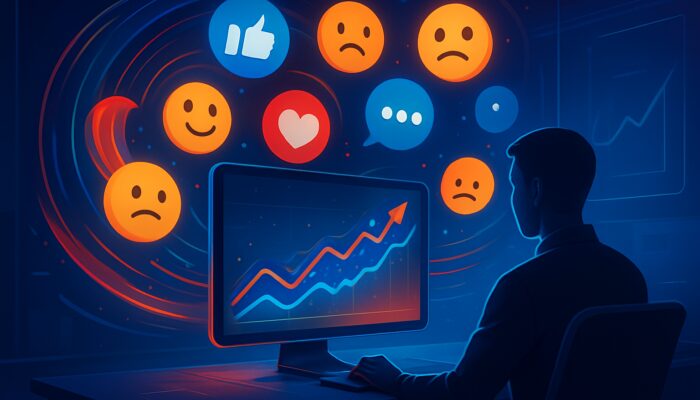
Understanding Social Sentiment Indicators: Key Concepts
Clarifying Essential Definitions

Social sentiment indicators are vital tools that allow organizations to measure public opinions by analyzing information gathered from various online platforms and user interactions. This analysis provides crucial insights for strategic planning, audience comprehension, and decision-making in scenarios where feedback is essential. By interpreting emotions expressed on social media, reviews, and discussion forums, businesses can customize their strategies to connect more effectively with their target audience.
These indicators function as a link between companies and their customers, showcasing how the public views brands, products, or services. In a digital world where online interactions are prevalent, grasping sentiment can profoundly influence marketing strategies, product innovation, and customer service practices. Organizations that utilize these insights can foresee trends, proactively address issues, and cultivate stronger relationships with their audiences.
In various situations such as product launches or brand reputation management, social sentiment indicators offer a detailed understanding of consumer emotions. This insight is crucial for companies seeking to navigate intricate market dynamics and effectively respond to changing public opinions.
Determining Key Metrics for Analysis
To establish comprehensive views of public sentiment, users frequently examine various dimensions, including volume, frequency, and polarity. Volume measures the quantity of conversations surrounding a specific topic, while frequency tracks how often sentiments are articulated over time. Polarity reveals whether sentiments are positive, negative, or neutral, painting a clear picture of public perception.
By analyzing these metrics, organizations can uncover trends and patterns that guide decision-making across different sectors. For example, a brand might monitor the volume of discussions surrounding a new product launch to assess initial feedback, while also evaluating polarity to gauge overall sentiment. This multifaceted approach enables businesses to engage more effectively with their audiences.
Organizations can also benchmark their metrics against industry standards, gaining insights into how their sentiment stacks up against competitors. By identifying relevant metrics, businesses can make informed decisions that enhance their engagement strategies and strengthen audience connection.
What Are Effective Strategies for Interpreting Results?
Interpreting data from social sentiment indicators demands careful consideration of context, patterns, and temporal changes. Professionals need to account for language nuances, cultural references, and the specific platforms where sentiments are expressed. This thorough analysis enables a more profound understanding of public opinion and its implications for strategic choices.
Context is crucial; a surge in negative sentiment during a crisis might signal an urgent need for action, while gradual changes in sentiment can indicate longer-term trends. By closely monitoring these fluctuations, organizations can derive actionable insights that improve their responsiveness and performance. For instance, a brand facing negative feedback can modify its messaging or product offerings to address consumer concerns.
Professionals should search for patterns within sentiment data to pinpoint underlying issues or opportunities. By tracking sentiment trends over time, organizations can devise strategies that not only tackle current challenges but also anticipate future shifts in public opinion. This forward-thinking approach nurtures a culture of continuous improvement and flexibility.
Expert Perspectives on Social Sentiment Indicators

Essential Steps for Initial Evaluation
Experts advocate starting any sentiment analysis by thoroughly assessing existing data sources and establishing baselines. This foundational assessment involves pinpointing the platforms most relevant to the target audience and determining key metrics for tracking. For example, a fashion retailer might prioritize Instagram and Twitter, where visual content and trends thrive.
Real-world examples highlight how organizations can successfully set baselines. A technology firm may evaluate past sentiment data related to product launches to gauge typical consumer reactions. This historical context is vital for assessing new campaigns and measuring their impact against established benchmarks.
Once baselines are established, experts can delve deeper into sentiment data, identifying emerging themes and sentiments. This structured approach ensures that evaluations are data-driven, leading to more precise insights and informed decision-making processes.
Utilizing Advanced Analytical Techniques
Advanced analytical methods refine raw sentiment data into actionable insights that influence strategic decisions. Machine learning algorithms and natural language processing (NLP) significantly enhance analysis by detecting subtle language nuances and sentiments. These sophisticated techniques enable organizations to transcend basic metrics and uncover deeper insights.
For instance, sentiment analysis tools can automatically categorize comments based on emotional tone, allowing brands to identify not only positive or negative feedback but also emotions like anger, joy, or confusion. This level of detail provides the foundation for more targeted responses and strategies. A company can customize its messaging to address specific concerns or amplify positive feedback.
Integrating advanced analytical methods with traditional approaches creates a comprehensive understanding of public sentiment. By combining qualitative insights from focus groups with quantitative data from social media, organizations can develop a well-rounded view that enhances engagement and decision-making.
Seamless Integration With Existing Systems

To optimize the effectiveness of social sentiment indicators, organizations must integrate these tools into their existing workflows. This integration requires aligning sentiment analysis processes with other departments, such as marketing, customer service, and product development. By fostering collaboration, companies can ensure that sentiment insights are used effectively across the organization.
Practical steps for integration include establishing clear communication pathways between teams and defining roles for sentiment analysis within the organization. For example, marketing departments can leverage sentiment data to tailor campaigns, while product development can utilize insights to enhance offerings based on consumer feedback.
Regular training on sentiment analysis tools and methodologies can also promote smoother integration. By equipping team members with the necessary skills, organizations can ensure consistent application of sentiment insights, leading to improved outcomes and a more cohesive approach to audience engagement.
How Do Social Sentiment Indicators Operate?
Processes for Data Collection
Collecting information for social sentiment analysis employs systematic methods to capture expressions and reactions across multiple online channels. Organizations typically leverage web scraping, APIs, and social listening tools to gather data from platforms such as Twitter, Facebook, and review sites. This comprehensive data collection forms the basis for subsequent analysis and interpretation.
The initial step in data collection involves identifying relevant keywords and phrases that represent the brand, product, or topic of interest. By monitoring these terms, organizations can capture a diverse range of sentiments expressed by users. For example, a restaurant might track mentions of its name alongside terms like “service,” “food,” or “atmosphere” to gather insights about the dining experience.
Once data is acquired, it undergoes preprocessing to filter out noise and irrelevant information, ensuring that the analysis concentrates on meaningful content. This meticulous approach to data collection is crucial for accurate sentiment analysis and enables organizations to make informed decisions based on consumer feedback.
Sorting and Categorization of Data
After data collection, raw inputs are sorted and labeled according to tone and theme, facilitating clearer insights that guide further analysis. This processing stage typically employs natural language processing (NLP) techniques to evaluate the sentiment of each data piece. By classifying sentiments as positive, negative, or neutral, organizations can extract actionable insights from the analysis.
Categorization also helps identify recurring themes or topics within sentiment data. For example, a brand might discover that customer complaints frequently relate to delivery times or product quality, highlighting areas that require improvement. Focusing on these themes enables organizations to prioritize their responses and enhance customer satisfaction.
Effective categorization aids in visualizing sentiment trends over time. By monitoring changes in sentiment related to specific themes, organizations can evaluate the impact of their strategies and make data-driven adjustments as necessary. This level of insight is vital for maintaining a competitive edge in today’s fast-paced market.
Techniques for Data Visualization
Presenting findings through charts and graphs simplifies complex information for stakeholders reviewing outcomes regularly. Effective visualization techniques enhance understanding and engagement, enabling decision-makers to quickly grasp sentiment trends. Notable benefits of utilizing visualization include improved clarity, expedited decision-making, and the ability to identify patterns at a glance.
Common visualization methods include line charts for tracking sentiment over time, pie charts for illustrating the distribution of sentiment types, and word clouds for highlighting frequently mentioned terms. These visual tools assist stakeholders in seeing the larger picture while still focusing on essential details.
Interactive dashboards can offer real-time updates on sentiment metrics, allowing organizations to monitor changes as they occur. By incorporating visualization techniques into their reporting processes, companies can cultivate a culture of data-driven decision-making and enhance overall performance.
Research-Driven Advantages of Social Sentiment Indicators
Insights Derived from Studies
Research has shown measurable enhancements in understanding audience needs through the application of social sentiment indicators. For instance, a study conducted by a prominent marketing firm found that brands utilizing sentiment analysis increased customer satisfaction scores by over 20% within a year. These findings underscore the tangible benefits of using sentiment data in strategic planning.
Another study examining the influence of sentiment indicators on brand reputation revealed that organizations responding swiftly to negative feedback experienced a 30% reduction in adverse sentiment. This evidence highlights the necessity of actively monitoring public opinion and addressing concerns before they escalate into larger issues.
Across various industries, from retail to technology, organizations employing sentiment analysis have reported improved customer loyalty and retention rates. By comprehending and responding to consumer sentiments, businesses can forge stronger connections and encourage long-term engagement with their audiences.
Measurable Benefits
The measurable benefits of employing social sentiment indicators are substantial, especially regarding enhanced accuracy in predictions and improved capabilities to respond proactively to emerging trends. Companies utilizing sentiment analysis often report a significant boost in their forecasting abilities, allowing them to anticipate shifts in consumer behavior and market dynamics.
For example, a retail brand that closely tracks sentiment data during holiday seasons can adjust inventory and marketing strategies to align with consumer preferences, ultimately driving sales. This proactive strategy not only enhances operational efficiency but also increases overall profitability.
Organizations leveraging sentiment analysis can refine their crisis management strategies. By identifying negative sentiment early, companies can act swiftly to mitigate potential damage to their reputation. This agility in response not only safeguards brand integrity but also fosters consumer trust.
Creating Long-Term Value
Utilizing the knowledge gained from social sentiment indicators can result in stronger relationships and ongoing operational improvements over extended periods. By consistently monitoring public sentiment, organizations can detect trends and shifts that inform long-term strategies. This proactive method enables businesses to stay ahead of the curve and adjust to evolving consumer preferences.
For instance, a tech company that regularly analyzes user feedback on its products can continue to innovate and enhance offerings based on real-world input. This iterative process nurtures a culture of responsiveness and customer orientation, ultimately leading to increased satisfaction and loyalty.
Organizations can leverage sentiment data to guide their marketing strategies, ensuring messaging resonates with target audiences. By aligning marketing efforts with consumer sentiments, companies can develop campaigns that drive engagement and conversions, contributing to sustained growth and success.
Benchmarking Against Industry Standards
Analyzing benchmarks from leading industries where social sentiment indicators are applied offers insights into best practices that lead to superior market positioning and customer engagement. For instance, in the hospitality sector, hotels that actively monitor guest feedback through sentiment analysis typically achieve higher ratings on platforms like TripAdvisor and Booking.com.
In the tech industry, companies utilizing sentiment indicators to track user experiences often see improved product ratings and higher customer retention rates. By comparing their performance against industry benchmarks, organizations can pinpoint areas for improvement and implement strategies that foster competitive advantage.
Sectors such as finance and healthcare are increasingly adopting sentiment analysis to boost customer engagement and satisfaction. By employing data-driven approaches, these industries can make informed decisions that enhance service delivery and lead to better outcomes for their clients.
What Are the Main Applications of Social Sentiment Indicators?
Improving Communication Strategies
Organizations harness social sentiment indicators to refine their messaging, ensuring it aligns with audience expectations. By comprehending how consumers perceive their brand, companies can design communication strategies that resonate more profoundly. This alignment promotes more effective interactions across various contexts, including marketing campaigns, public relations efforts, and customer service exchanges.
For instance, a nonprofit organization might analyze sentiment data related to its initiatives to tailor its messaging in response to community concerns. By aligning communications with public sentiment, the organization can boost engagement and support for its mission.
Companies can utilize sentiment analysis to pinpoint potential communication challenges. By tracking public reactions to announcements or campaigns, organizations can modify their messaging to prevent misunderstandings and build trust with their audience. This proactive approach enhances overall communication effectiveness and brand perception.
Facilitating Product Development
Feedback gathered from social sentiment indicators guides design decisions, leading to offerings that better align with user preferences. By actively listening to consumer sentiments, organizations can identify features or improvements that resonate with their target audience. This synergy between product development and consumer expectations drives higher satisfaction across the board.
For example, a software company might analyze user feedback to prioritize features in its next update. By concentrating on the most requested functionalities, the company can enhance user experience and cultivate loyalty among its customer base.
Sentiment analysis can help organizations spot potential issues before they become widespread. By monitoring feedback throughout the product development process, companies can make adjustments that improve quality and performance, ultimately resulting in products that meet or exceed consumer expectations.
Tracking Reputation Trends
Ongoing observation of social sentiment enables organizations to safeguard and enhance their reputation while addressing concerns before they escalate into larger issues. By actively monitoring sentiment trends, companies can detect shifts in public perception and take timely actions to mitigate negative impacts. This proactive approach is essential in today’s fast-paced digital landscape.
Factors influencing ongoing perceptions include customer experiences, product quality, and external events. For example, a brand may face a surge in negative sentiment due to a product recall. By responding quickly and transparently, the organization can address consumer concerns and rebuild trust.
Monitoring reputation trends allows organizations to identify opportunities for positive engagement. By capitalizing on favorable sentiment, companies can amplify their strengths and improve their overall reputation. This strategic approach not only protects brand integrity but also fosters long-term loyalty among consumers.
What Are the Best Practices for Implementation Optimization?
Selecting the Right Tools
Thorough evaluation of available options ensures that the tools selected for sentiment analysis align with specific organizational requirements. Companies should consider factors such as usability, scalability, and integration capabilities when choosing sentiment analysis tools. By matching tool functionalities to organizational needs, companies can streamline operations and achieve better quality outputs.
For example, a small business may opt for a user-friendly sentiment analysis tool that requires minimal technical know-how, while a larger organization might invest in more sophisticated software capable of processing vast amounts of data. This tailored method guarantees that the chosen tools effectively support the organization’s objectives.
Organizations should regularly assess the performance of their sentiment analysis tools. Staying informed about technological advancements allows companies to adapt their toolset to leverage new features and capabilities, ensuring ongoing optimization of sentiment analysis processes.
Training Team Members Effectively
Equipping staff with essential skills promotes consistent application of social sentiment indicators and minimizes errors during daily use. Training programs should cover the fundamentals of sentiment analysis, data interpretation, and tool utilization. By providing team members with the necessary knowledge, organizations can enhance overall effectiveness in sentiment monitoring.
Key benefits of training include improved accuracy in data interpretation, increased confidence in using sentiment analysis tools, and a deeper understanding of how sentiment insights inform strategic decisions. When team members feel empowered to utilize sentiment data, they are more likely to engage proactively with insights.
Ongoing training sessions can keep staff updated on industry trends and best practices. This commitment to continuous learning fosters a culture of adaptability and responsiveness, ensuring that organizations remain competitive in an ever-evolving landscape.
Regular Performance Evaluations
Periodic reviews of sentiment analysis processes help identify areas for improvement, allowing organizations to make adjustments that maintain relevance and effectiveness. Regular evaluations should focus on assessing the accuracy of sentiment predictions, the relevance of tracked metrics, and the overall impact of sentiment insights on decision-making.
What modifications can enhance accuracy? Organizations might consider revisiting their data sources, refining keyword lists, or updating categorization methods based on evolving language trends. By remaining attuned to changes in public sentiment, companies can improve the precision of their analyses.
Conducting performance evaluations cultivates a culture of accountability and continuous improvement. By fostering an environment where team members regularly assess their processes, organizations can ensure that sentiment analysis remains a valuable tool for driving engagement and decision-making.
Establishing Clear Communication Pathways
Maintaining open lines of communication among all stakeholders facilitates the quick resolution of emerging issues and ensures alignment with overarching project goals. Establishing clear communication protocols for sharing sentiment insights encourages collaboration between departments, such as marketing, product development, and customer service.
Effective communication channels enable teams to respond swiftly to shifts in sentiment, ensuring that organizations can address concerns and seize opportunities in real-time. For example, if a marketing campaign generates negative sentiment, the marketing and customer service teams can work together to craft a unified response.
Regular meetings to discuss sentiment insights can promote a culture of transparency and shared responsibility. By keeping all stakeholders informed, organizations can enhance their overall effectiveness in utilizing sentiment data to drive strategic decisions.
Monitoring Resource Distribution
Diligent and ongoing tracking of available resources prevents potential shortages while optimizing their utilization. Organizations should routinely assess the allocation of resources dedicated to sentiment analysis, ensuring that teams have access to the tools and support necessary for effective monitoring.
By keeping tabs on resource distribution, organizations can identify gaps or inefficiencies that may impede sentiment analysis efforts. For instance, if a specific tool requires additional training or technical support, addressing these needs promptly can enhance overall effectiveness.
Organizations can benefit from reallocating resources based on changing needs. For example, if a new product launch generates substantial sentiment data, additional resources might be required for analysis and response. This proactive approach supports seamless progress throughout the implementation phase.
Future Developments in Sentiment Analysis
Emerging Technologies to Watch
New technological innovations promise greater accuracy and speed in sentiment analysis, paving the way for more nuanced understandings that were once challenging to achieve. Advancements in artificial intelligence (AI) and machine learning are enabling organizations to analyze extensive data sets more quickly and accurately.
For instance, AI-driven sentiment analysis tools can now detect subtle shifts in language and tone, offering deeper insights into consumer emotions. This level of sophistication allows organizations to respond more effectively to emerging trends and sentiments.
As these technologies advance, organizations that adopt them early can gain a competitive edge. By leveraging cutting-edge tools, companies can enhance their sentiment analysis processes and drive better engagement with their audiences.
Adapting Methodologies for Reliability
Embracing updated frameworks that incorporate new perspectives enhances the overall reliability of sentiment evaluations. Organizations should routinely review and refine their methodologies to ensure alignment with industry best practices and consumer expectations.
Key benefits of evolving methodologies include improved accuracy in sentiment analysis, enhanced responsiveness to public opinion, and the ability to identify emerging trends more effectively. By staying aware of changes in sentiment analysis practices, organizations can adjust their strategies accordingly.
Fostering a culture of innovation encourages teams to explore new methodologies and approaches. By empowering team members to experiment with different techniques, organizations can uncover new insights and drive continuous improvement in sentiment analysis efforts.
Preparing for Future Changes
Proactive planning involves staying informed about advancements in sentiment analysis and building flexible systems that can seamlessly incorporate future enhancements. Organizations should regularly evaluate their sentiment analysis processes and tools to identify opportunities for improvement and adaptation.
What preparations ensure readiness? Establishing a dedicated team responsible for monitoring industry trends can help organizations stay ahead of emerging developments. By fostering a culture of agility and adaptability, companies can respond effectively to changes in public sentiment and market dynamics.
Investing in ongoing training and development for team members ensures they possess the skills needed to navigate the evolving landscape of sentiment analysis. This proactive approach prepares organizations to embrace changes and seize new opportunities for growth.
Frequently Asked Questions
What are social sentiment indicators?
Social sentiment indicators are tools used to assess public opinions by analyzing data from online platforms, assisting organizations in understanding consumer sentiments and enhancing engagement strategies.
How do organizations collect sentiment data?
Organizations gather sentiment data through various methods, including web scraping, social listening tools, and APIs to capture expressions from platforms like Twitter and Facebook.
What metrics are important for sentiment analysis?
Key metrics for sentiment analysis include volume, frequency, and polarity, which help organizations understand the amount and nature of public sentiment regarding their brand or products.
How can sentiment analysis improve communication strategies?
Sentiment analysis enhances communication strategies by aligning messaging with audience expectations, enabling organizations to craft more effective and resonant communications.
What role does sentiment analysis play in product development?
Feedback from sentiment analysis informs product development by highlighting user preferences and areas for improvement, leading to offerings that better satisfy consumer needs.
How can organizations monitor their reputation using sentiment indicators?
Organizations can monitor their reputation by continuously observing sentiment trends, allowing them to address concerns promptly and protect their brand image.
What are the benefits of integrating sentiment analysis with existing systems?
Integrating sentiment analysis with existing systems maximizes efficiency, encourages collaboration across departments, and ensures that sentiment insights inform strategic decisions.
How often should organizations evaluate their sentiment analysis processes?
Organizations should regularly evaluate their sentiment analysis processes to identify areas for refinement and ensure their methods remain effective and relevant.
What emerging technologies are impacting sentiment analysis?
Emerging technologies, such as artificial intelligence and machine learning, are enhancing sentiment analysis by providing greater precision and speed in data processing and interpretation.
How can organizations prepare for changes in sentiment analysis methodologies?
Organizations can prepare for changes by staying informed about industry advancements, fostering a culture of adaptability, and investing in ongoing training for team members.