

Key Emotional Trading Mistakes Every Trader Should Avoid
Impulsive Reactions to Market Fluctuations
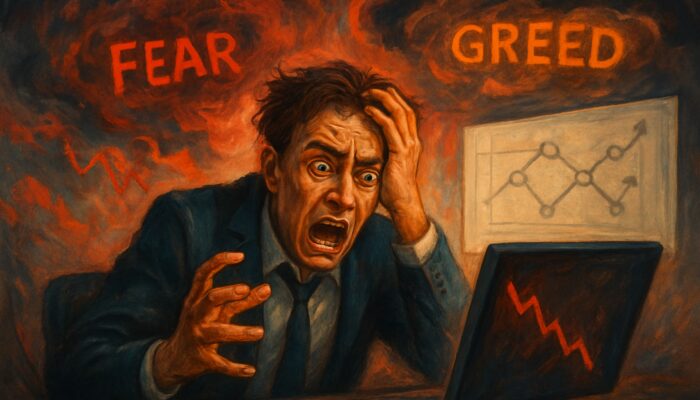
Traders frequently react impulsively to abrupt price movements, resulting in substantial financial losses. Rather than adhering to their established trading strategies, they may make snap decisions driven by fear or excitement. It is vital to identify these emotional patterns to cultivate awareness and prevent recurring mistakes in the future.
By gaining insights into the triggers that lead to impulsive reactions, traders can devise strategies to maintain their composure. This self-awareness empowers them to follow their initial trading plans, significantly lowering the chances of rash trades that could jeopardize their long-term success in the financial markets.
What Risks Does Overconfidence Present in Trading?
Overconfidence can serve as a double-edged sword in trading, prompting traders to assume larger positions than are prudent. This psychological bias often originates from a handful of successful trades, causing individuals to disregard warning signs and take unnecessary risks. Understanding the underlying causes of overconfidence is crucial for achieving a balanced perspective.
To mitigate the effects of overconfidence, traders should establish checks and balances within their decision-making processes. Regularly reviewing past trades and their outcomes can help maintain a realistic assessment of their trading skills, encouraging a more cautious approach during active trading sessions.
Breaking the Cycle of Revenge Trading
Following a loss, many traders succumb to the temptation of revenge trading, trying to recover their losses through aggressive and often reckless moves. This mindset typically exacerbates problems instead of resolving them effectively. The emotional distress that accompanies a loss can cloud judgment, resulting in choices driven by frustration rather than strategic reasoning.
Acknowledging the cycle of revenge trading is the essential first step toward breaking free from it. Traders should concentrate on creating a recovery plan that emphasizes patience and discipline, allowing them to learn from their mistakes instead of impulsively seeking immediate restitution.
How to Combat FOMO in Trading?
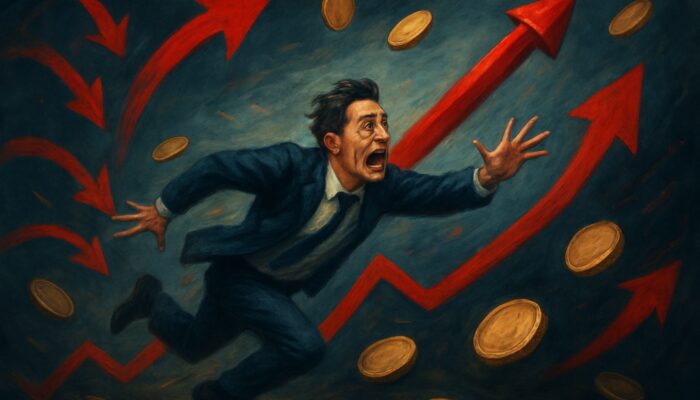
Fear of missing out (FOMO) is a prevalent emotional trading mistake that can lead to hasty decisions and the pursuit of rising assets without adequate research. This reaction often puts traders at risk of sudden market reversals and significant losses. Recognizing this bias is vital for fostering disciplined entry strategies and enhancing risk management.
To combat FOMO, traders should create clear criteria for entering positions. By adhering to a well-defined strategy, they can sidestep the emotional traps associated with chasing trends and instead focus on making informed decisions based on thorough analysis.
How Can Traders Identify Their Emotional Biases?
Recognizing Personal Emotional Triggers
Self-assessment tools are invaluable for traders aiming to detect emotional cues early in their decision-making processes. By identifying personal triggers, traders can take proactive steps to manage their emotions before they negatively impact their choices during volatile trading periods.
Incorporating regular self-reflection practices allows traders to discern patterns in their emotional responses. This heightened awareness enables them to formulate coping strategies that minimize the influence of emotional biases on their trading performance.
The Power of Journaling for Enhanced Clarity

Keeping a trading journal is a powerful method for cultivating clarity and self-awareness. Documenting thoughts, feelings, and outcomes regularly uncovers recurring patterns that may otherwise remain hidden in daily trading activities. This practice encourages traders to contemplate their emotional states and decision-making processes.
By examining their journals, traders can pinpoint emotional triggers and evaluate how these factors affect their trading outcomes. This understanding deepens their comprehension of their emotional landscape, leading to more informed and rational trading decisions in the future.
Recognizing Stress Indicators in Trading Decisions
Identifying stress signals is crucial for maintaining emotional control while trading. Key symptoms indicating heightened emotional involvement include:
- Increased heart rate
- Difficulty concentrating
- Racing thoughts
- Frustration or irritability
- Impulsive decision-making
Awareness of these signals empowers traders to pause and reassess their emotional state. This self-awareness enhances decision-making and minimizes the likelihood of impulsive trades driven by stress.
Insights from Experts on Avoiding Emotional Trading Mistakes
Real-Life Cases of Bias Recognition
Experienced professionals often share anecdotes illustrating how early identification of emotional influences transformed potential disasters into valuable learning experiences. For example, a trader might recount a situation where they recognized their overconfidence led to a major loss, prompting them to adopt stricter risk management practices.
These real-life experiences underscore the significance of emotional awareness in trading. By drawing lessons from others’ experiences, traders can formulate their strategies for recognizing and addressing emotional biases before they escalate into costly errors.
Practical Steps for Regaining Control
Experts suggest implementing specific routines to effectively counter impulsive tendencies. For example, taking scheduled breaks during trading sessions can provide the necessary distance to reassess decisions. establishing predefined rules for entering and exiting trades helps maintain discipline across varying market conditions.
Integrating these routines into daily practices can significantly improve a trader’s capacity to manage their emotions. By creating a structured approach to trading, individuals can lessen the impact of emotional biases and enhance their overall performance.
Expert Analysis of Trading Patterns
Comprehensive reviews of trading patterns can showcase how the consistent application of emotional checks improves overall performance metrics. Experts frequently emphasize the need for a disciplined approach, particularly during high-stress market conditions.
By analyzing past trades and recognizing emotional influences, traders can refine their strategies and enhance their decision-making processes. This analytical mindset fosters a culture of continuous improvement, ultimately resulting in better trading outcomes.
Methods for Cultivating Emotional Resilience
Seasoned analysts propose various techniques for developing mental resilience in trading. Practices such as meditation and scenario planning can aid traders in navigating emotional challenges with greater effectiveness. These methods help individuals cultivate a mindset that prioritizes long-term objectives over short-term emotional responses.
By incorporating emotional resilience strategies into their trading routines, individuals can better withstand market pressures. This resilience not only enhances decision-making but also promotes a more sustainable trading approach amid fluctuating conditions.
Utilizing Technology for Emotion Monitoring
Technological advancements have led to the creation of tools that assist traders in tracking their emotional states in real-time. AI-driven sentiment analysis tools can offer valuable insights into emotional variations, enabling traders to make immediate adjustments to their strategies.
By harnessing technology, traders can improve their decision quality during volatile trading sessions. This integration of technology not only aids in emotional monitoring but also supports a more data-driven trading approach, ultimately enhancing performance across global markets.
What Are the Risks of Disregarding Emotions in Trading?
Compounding Loss Effects
Uncontrolled emotions can result in escalating drawdowns that deplete capital faster than traders expect. Emotional trading frequently leads to a series of poor decisions, compounding losses and creating a cycle of despair. Recognizing this pattern is crucial for escaping the emotional traps of trading.
Traders who overlook their emotions may enter a downward spiral, where each loss exacerbates further emotional distress. This cumulative effect adversely impacts their financial situation and can harm their trading confidence and strategies in the long run.
Impact on Personal Relationships
The financial strains from poor trading decisions can extend beyond the trading floor, affecting personal well-being and relationships. As traders struggle with losses, stress can infiltrate their interactions, causing tension and conflict with family and friends.
Recognizing the emotional toll of trading is essential for preserving healthy relationships. By acknowledging these pressures and seeking support, traders can lessen the negative effects of their trading activities on their personal lives.
What Does This Mean for Career Longevity?
Continued emotional neglect can shorten trading careers by heightening burnout rates and diminishing adaptability to shifting market conditions. Traders who fail to manage their emotions may become overwhelmed, leading to declining performance and a potential exit from the industry.
Understanding the importance of emotional well-being is vital for achieving long-term success in trading. By prioritizing mental health and emotional resilience, traders can prolong their careers and thrive in the dynamic financial landscape.
Decline in Mental Health
Chronic suppression of trading emotions can lead to increased stress levels, manifesting as anxiety disorders or burnout. These mental health challenges severely impair cognitive functions necessary for effective market analysis and risk assessment.
Traders must prioritize their mental health by acknowledging their emotional experiences. Seeking professional assistance or engaging in self-care practices can mitigate the risks associated with emotional neglect and support overall well-being.
Escalated Market Losses
Unchecked emotional reactions can foster destructive behaviors such as revenge trading and excessive overleveraging. These actions quickly magnify initial mistakes, resulting in catastrophic portfolio reductions that far exceed any original risk tolerances set by the trader.
By recognizing how emotional responses can amplify losses, traders can implement strategies to maintain control. This awareness is crucial for preventing emotional trading mistakes that could jeopardize long-term financial goals.
Proven Strategies to Address Emotional Trading Mistakes
Establishing Pre-Trade Rituals
Creating consistent routines before entering trades can serve as mental buffers against sudden emotional surges. These pre-trade rituals help traders concentrate and prepare for the challenges ahead, minimizing the effects of emotional fluctuations on their decision-making processes.
Incorporating practices such as mindfulness or visualization enhances a trader’s mental state. By preparing mentally before each trading session, individuals can approach their activities with clarity and purpose, thereby reducing the likelihood of impulsive decisions.
Examples of Success from Experienced Traders
Successful traders frequently share actionable steps for implementing routine checks that uphold discipline during high-pressure situations. For example, one trader may describe how setting specific goals for each trading session helped them remain focused and avoid emotional traps.
These real-world success stories serve as motivation for others looking to improve their trading methodologies. By learning from the achievements of seasoned traders, individuals can adopt strategies that bolster their emotional control and overall performance.
Methods for Training the Right Mindset
Continuous education in psychological resilience equips traders with tools to navigate uncertainty without deviating from sound principles. Techniques such as cognitive behavioral strategies enable individuals to reshape negative thoughts and foster a more constructive mindset.
Investing in mindset training enhances understanding of emotional influences on trading. This knowledge empowers traders to approach the markets with confidence, mitigating the effects of emotional biases on their decisions.
Why Is Mastering Emotional Control Crucial for Traders?
Achieving Consistent Performance Improvements
Mechanisms for emotional control enable traders to implement strategies consistently, compounding advantages over multiple trading cycles. By managing their emotions, traders can avoid the pitfalls of impulsive decisions that frequently disrupt performance.
Maintaining emotional stability allows traders to concentrate on long-term objectives rather than short-term fluctuations. This disciplined approach fosters sustained performance improvements, ultimately contributing to greater success in the markets.
In What Ways Does Emotional Control Enhance Focus?
Minimized emotional interference leads to clearer assessments of opportunities, resulting in more precise and timely actions. When traders effectively manage their emotions, they can concentrate on analysis rather than being influenced by fear or greed.
Enhanced focus improves decision-making capabilities, allowing traders to identify and act on profitable opportunities. This clarity of thought is essential for navigating the complexities of financial markets.
The Role of Emotional Stability in Risk Management
Emotional stability reinforces adherence to stop-loss and position sizing rules that safeguard against significant downturns. By maintaining control over their emotions, traders can make rational decisions that align with their risk management strategies.
Integrating emotional control into risk management practices fosters a more disciplined trading approach. This integration is critical for protecting capital and ensuring long-term success in ever-changing market conditions.
Avoiding Impulsive Trading Decisions
Emotional control helps traders steer clear of impulsive actions triggered by sudden market movements. By remaining calm and focused, individuals can adhere to predetermined strategies and maintain rational judgment, even in high-pressure environments where others may falter.
This ability to resist impulsive reactions is essential for achieving consistent results in trading. By emphasizing emotional control, traders can navigate the complexities of the market with clarity and confidence.
Building Psychological Resilience
Enhancing psychological resilience through emotional control allows traders to effectively handle successive losses. This resilience prevents discouragement and nurtures a mindset oriented towards long-term growth and ongoing performance improvement.
Fostering psychological resilience is crucial for succeeding in the demanding realm of trading. By cultivating this trait, individuals can better endure the inevitable fluctuations of the market, ultimately leading to greater success.
Establishing Long-Term Trading Discipline
Conducting Regular Reviews
Periodic assessments of past trades reinforce positive habits while highlighting areas for improvement. By routinely reviewing their performance, traders can uncover insights into their decision-making processes and emotional responses.
These regular evaluations promote a culture of continuous improvement, enabling traders to refine their strategies and enhance their overall performance. This dedication to self-assessment is crucial for long-term success in trading.
Building Support Networks
Connecting with like-minded peers provides external insights that help maintain objectivity during challenging times. Support networks, whether through trading forums or local meetups, can offer valuable perspectives and encouragement.
By sharing experiences and strategies with others, traders can gain fresh viewpoints on their emotional challenges. This collaborative effort fosters a sense of community and accountability, enhancing overall trading discipline.
How to Set Goals Effectively?
Structured goal-setting aligns daily actions with broader objectives, ensuring consistent progress without emotional derailment. By establishing clear, attainable goals, traders can maintain focus and motivation throughout their trading journey.
Effective goal-setting involves breaking larger objectives into manageable tasks. This structured method allows traders to monitor their progress and stay committed to their long-term vision, minimizing the impact of emotional fluctuations on their performance.
Frequently Asked Questions
What constitutes emotional trading mistakes?
Emotional trading mistakes arise when traders allow their feelings, such as fear or greed, to shape their decision-making. These errors can result in impulsive actions and substantial financial losses.
What strategies can help avoid emotional trading mistakes?
To steer clear of emotional trading mistakes, implement strategies like maintaining a trading journal, setting clear goals, and establishing pre-trade rituals. These practices assist in managing emotions and fostering disciplined decision-making.
Why is self-awareness significant in trading?
Self-awareness is critical in trading as it enables individuals to identify their emotional triggers and biases. By understanding their emotional landscape, traders can make more informed decisions and minimize impulsive actions.
How can journaling contribute to emotional control?
Journaling allows traders to document their thoughts and feelings, offering insights into emotional patterns. This practice encourages self-reflection, helping traders identify triggers and enhance their decision-making processes.
What are some common emotional triggers in trading?
Common emotional triggers in trading include sudden market changes, unexpected losses, and the fear of missing out on opportunities. Identifying these triggers is essential for effectively managing emotional responses.
What methods can I use to build emotional resilience as a trader?
Building emotional resilience involves engaging in practices such as mindfulness, scenario planning, and continuous education in psychological strategies. These approaches help traders navigate emotional challenges while maintaining focus on long-term goals.
What are the risks of ignoring emotions in trading?
Disregarding emotions in trading can lead to cumulative losses, relationship strains, career burnout, and mental health issues. Acknowledging and managing emotions is vital for sustainable trading success.
How does technology aid in monitoring emotions?
Technology, including AI-driven sentiment trackers, assists traders in tracking their emotional states in real time. These tools provide valuable insights that facilitate immediate adjustments in trading strategies.
Why is emotional control crucial for traders?
Emotional control is essential for traders as it enables consistent execution of strategies, minimizes impulsive decisions, and enhances overall performance. Effectively managing emotions fosters a disciplined trading approach.
What strategies can enhance trading discipline?
Strategies to bolster trading discipline include conducting routine reviews, engaging with support networks, and setting structured goals. These practices help maintain focus and accountability in trading activities.