
Mastering the Range Trading Strategy
Understanding Market Boundaries for Effective Trading
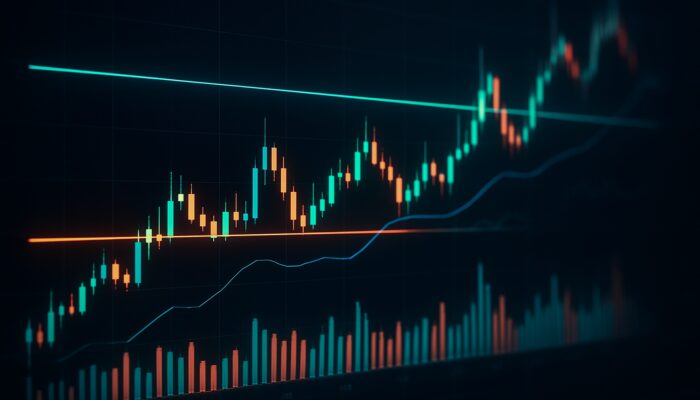
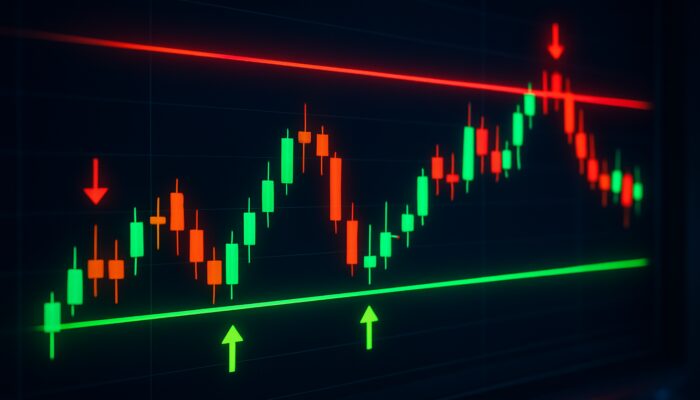
The range trading strategy focuses on pinpointing specific price levels at which assets oscillate, remaining contained within established limits. Traders leverage predictable fluctuations between support and resistance zones by conducting thorough analyses of historical data patterns and volume indicators. By honing this approach, traders enhance their decision-making abilities, allowing them to effectively forecast price movements over time.
To successfully execute this strategy, traders must first identify the defined boundaries of a range. Support signifies the lower boundary where buying interest generally emerges, while resistance represents the upper limit where selling pressure tends to escalate. By grasping these dynamics, traders can make well-informed decisions regarding their entry and exit points in the market.
Choosing the Right Timeframes for Optimal Results
Selecting appropriate chart intervals is essential for aligning trading styles with the typical duration of range formations. The right timeframe is vital to ensure that traders’ entries and exits sync with the market’s natural rhythm. Using overly short periods can introduce noise, resulting in false signals and unnecessary losses.
For example, a day trader might favor shorter timeframes such as 5-minute or 15-minute charts, while swing traders may prefer daily or weekly charts. By aligning their strategies with the correct timeframe, traders can improve their ability to identify and respond to range-bound conditions effectively.
Essential Risk Management Practices in Range Trading
Effective position sizing and strategic stop-loss placements are critical in range trading, helping to protect capital during sudden volatility spikes. Traders should establish their risk tolerance levels and adjust their position sizes accordingly to ensure that no single trade significantly impacts their overall portfolio.
Placing stop-loss orders just outside the defined range boundaries can effectively mitigate potential losses. This proactive strategy enables traders to maintain consistent performance throughout various trades, even in fluctuating market conditions, thus securing long-term success in their trading activities.
Insights from Experts on Range Trading Strategy

Recognizing Key Indicators for Better Trade Decisions
Utilizing oscillator tools like the Relative Strength Index (RSI) and Stochastic Oscillator can help confirm range conditions and pinpoint precise entry points. These indicators assist traders in identifying overbought or oversold conditions within the established range, thereby increasing the probability of successful trades.
For instance, when the RSI hits extreme levels near the range boundaries, it can signal impending reversals. By integrating these indicators with price action analysis, traders can enhance their decision-making processes and improve their overall trade outcomes.
Enhancing Entry Points for Maximum Impact
Strategically timing trades at boundary touches is vital for optimizing the effectiveness of a range trading strategy. Traders can boost reliability by considering confluence factors, such as candlestick patterns or volume spikes that signify stronger support or resistance levels.
For example, a bullish engulfing pattern occurring at the lower boundary of a range may indicate a high-probability buying opportunity. By analyzing these factors and waiting for confirmation, traders can minimize their exposure and enhance their overall trade success rate.
Continuously Monitoring Trade Progress for Improvement

Adapting positions dynamically based on emerging market signals is crucial for securing gains while the range remains intact. Traders should consistently evaluate market conditions and be ready to adjust their strategies as new information arises.
For example, if a trader observes increasing volume at the upper boundary of a range, this may suggest a potential breakout. In such scenarios, they could consider tightening their stop-loss or taking partial profits to safeguard their gains while remaining open to further opportunities.
How the Range Trading Strategy Operates
Identifying Distinct Range Patterns for Trading Success
This approach revolves around detecting horizontal channels where prices fluctuate, allowing for systematic buying at lower bounds and selling at upper limits. Traders frequently utilize momentum indicators, such as MACD or RSI, to validate setups before committing their capital.
By recognizing these patterns, traders can adopt a structured methodology to capitalize on price movements. For instance, a trader might initiate a buy when prices approach support and sell when they near resistance, establishing a disciplined framework for their trading strategy.
Executing Trades with Precision
Traders typically enter positions when prices approach key boundaries and exit upon receiving reversal signals. Incorporating volume analysis aids in filtering out weak movements, ensuring higher probability outcomes throughout their trading sessions.
For example, if the price hits resistance accompanied by declining volume, it may indicate a lack of strength in the move, prompting traders to reevaluate their exit strategy. This analytical approach enhances decision-making and increases the likelihood of successful trades.
Timely Exits for Optimal Profit Realization
Various factors influence the best exit strategies in range setups, including market sentiment, volume, and price action. Traders must practice discipline to avoid premature exits that could limit their potential returns while remaining committed to their trading strategy.
Formulating clear exit criteria based on these factors can help traders navigate the complexities of range trading. For instance, setting profit targets and employing trailing stops can ensure traders maximize favorable movements while safeguarding their gains.
Research-Driven Advantages of the Range Trading Strategy
Building Consistency in Trading Performance
Research indicates that this tactic fosters stable results by focusing on bounded movements rather than trends. By concentrating on predictable price ranges, traders can cultivate a systematic approach that strengthens their overall performance, especially in volatile markets where trend-following strategies may struggle.
Reducing Stress During Trading
Staying composed during sideways market conditions is crucial for successful trading. The key advantages of range trading include:
- Clear rules that minimize anxiety from unpredictable market swings
- Defined entry and exit points that alleviate decision fatigue
- A focus on consistent patterns that boosts confidence
- A reduced emotional impact that leads to improved performance
By adhering to a structured trading strategy, traders can maneuver through challenging market conditions with greater ease, allowing them to concentrate on executing their plans effectively.
Maximizing Capital Efficiency in Trading
Research highlights that trading within defined ranges allows for better leverage application without excessive exposure. This efficiency contributes to sustainable performance metrics over time, empowering traders to optimize their capital utilization.
By engaging in trades within established ranges, traders can allocate their resources more judiciously, thereby minimizing the risk of significant losses. This disciplined approach is vital for achieving long-term success and maintaining a well-balanced trading portfolio.
What Are the Risks Associated with the Range Trading Strategy?
Navigating Breakout Risks in Range Trading
Unexpected price movements that break out of established ranges can lead to rapid losses if they are not anticipated. This reality emphasizes the necessity for vigilant monitoring and predefined contingency plans to protect against such occurrences.
Traders should remain informed about external factors that could impact price movements, such as economic data releases and geopolitical events. Being proactive enables traders to adjust their strategies to mitigate the effects of unforeseen breakouts.
Understanding Indicator Limitations
Overreliance on trading tools can lead to missed opportunities or whipsaws that diminish profits during low-volatility environments. Traders must diversify their analysis methods to ensure robust confirmation of their strategies.
For instance, integrating oscillators with price action analysis can offer a more comprehensive understanding of market conditions. This multifaceted analytical approach allows traders to navigate the complexities of range trading more effectively.
Addressing Psychological Challenges in Trading
Discipline can become a challenge for traders during extended range periods, potentially resulting in impulsive decisions. Conducting routine reviews of trading performance and strategies can help mitigate these behavioral pitfalls.
Creating a trading journal to document decisions and emotions can yield valuable insights. Reflecting on past trades enables traders to recognize patterns in their behavior, allowing for adjustments that improve overall discipline and performance.
Minimizing Transaction Costs in Range Trading
Engaging in frequent trades within range strategies can result in accumulated fees and spreads that erode potential profits over time. Selecting low-cost brokers and employing efficient execution methods is crucial for maintaining viability.
Traders should also assess how their trading frequency impacts overall profitability. By optimizing their approach and reducing unnecessary trades, they can enhance their returns and maximize the effectiveness of their range trading strategy.
Mitigating Liquidity Risks in Trading
Thin trading volumes in certain ranges can lead to slippage during order placements, resulting in unexpected losses. Evaluating market depth prior to entering positions is essential in such scenarios.
Traders should exercise caution when initiating positions in illiquid markets, as this can amplify the risk of adverse price movements. Prioritizing liquidity and understanding the market environment can help traders protect their capital more effectively.
Advanced Strategies to Enhance Range Trading Effectiveness
Diversifying Across Multiple Assets
Expanding trading efforts across correlated instruments within defined ranges can help distribute risk and uncover additional opportunities. By simultaneously analyzing related price actions, traders can bolster their overall strategy.
For instance, a trader could examine currency pairs that typically move in correlation. By identifying ranges across several assets, they can capitalize on price discrepancies while effectively managing risk.
Refining Strategies Through Backtesting
Engaging in historical simulations refines trading parameters for current market conditions, enhancing strategy robustness and adaptability without complicating the core process. Backtesting empowers traders to evaluate the effectiveness of their approach across diverse market scenarios.
By examining past performance, traders can pinpoint strengths and weaknesses within their strategy. This iterative process aids in fine-tuning their approach, leading to a more effective range trading strategy.
Scaling Positions for Maximum Gains
Gradual position increases based on confirmed signals can optimize gains in strong ranges while safeguarding capital for future opportunities. This strategic scaling allows traders to take advantage of favorable movements without overexposing themselves.
For example, a trader might initiate a smaller position at the lower boundary and progressively increase exposure as momentum builds. This disciplined method helps manage risk while allowing for potential profits from trending movements.
Enhancing Confirmation with Oscillators
Utilizing oscillators, such as the Relative Strength Index and Stochastic indicators, can validate potential range boundaries and reversal points. This strategy improves entry and exit precision while reducing the influence of false signals often encountered in sideways market conditions.
By relying on these indicators, traders can gain added confidence in their trading decisions. This layered analytical approach strengthens their overall strategy, enhancing the likelihood of success in range trading.
Employing Dynamic Stop Losses for Better Protection
Dynamic stop losses that adjust based on real-time volatility assessments within established ranges can effectively safeguard accumulated profits from sudden breakouts. This proactive risk management strategy ensures consistent performance amid various market fluctuations and cycles.
Traders can adapt their stop-loss levels as market conditions evolve, allowing them to secure profits while maintaining flexibility. This adaptability is crucial for succeeding in the ever-changing landscape of range trading.
Frequently Asked Questions
What is range trading?
Range trading is a strategy focused on identifying price levels at which an asset fluctuates between support and resistance. Traders buy near support and sell near resistance to take advantage of predictable price movements.
How can I identify a trading range?
To identify a trading range, look for horizontal price patterns where the asset consistently bounces between defined support and resistance levels. Analyze historical price data and volume trends to confirm the range’s validity.
Which indicators are most effective for range trading?
Key indicators for range trading include oscillators like the Relative Strength Index (RSI), Stochastic Oscillator, and Moving Average Convergence Divergence (MACD). These tools assist in confirming entry and exit points for trades.
What timeframes work best for range trading?
Range trading can be applied across various timeframes, from minutes to daily charts. The selection depends on the trader’s style, with shorter timeframes offering more frequent trading opportunities and longer ones providing broader market perspectives.
How can I manage risk effectively in range trading?
Risk management in range trading involves determining appropriate position sizes, setting stop-loss orders outside the range, and diversifying trades. This strategy helps protect capital during unexpected market movements.
What common pitfalls should I avoid in range trading?
Common pitfalls in range trading include overtrading, excessive reliance on indicators, and failure to adapt to shifting market conditions. Maintaining discipline and regularly reviewing performance can help mitigate these risks.
How can I enhance my range trading strategy?
Improving a range trading strategy involves backtesting, refining entry and exit criteria, and diversifying across multiple assets. Continuous learning and adapting to market developments are also key to success.
What is the best approach to exit a range trade?
Exiting a range trade effectively involves monitoring for reversal signals and adjusting stop-loss orders accordingly. Setting profit targets based on resistance levels can help ensure traders capitalize on favorable price movements.
Is range trading applicable in all markets?
Yes, range trading can be utilized across diverse markets, including stocks, forex, and commodities. traders should consider market conditions and liquidity before implementing this strategy.
How should I handle breakouts in range trading?
Effectively managing breakouts involves having a predefined plan, such as setting stop-loss orders or adjusting positions based on market signals. Staying updated on news and economic events can also help anticipate potential breakouts.