

Mastering the Ultimate Oscillator Calculation for Effective Trading
Key Elements of the Ultimate Oscillator Formula

The ultimate oscillator integrates three distinct time frames to effectively evaluate market momentum. This approach enables traders to identify overbought and oversold conditions across different periods. By combining short, medium, and long-term data, it offers a well-rounded perspective that can generate more dependable trading signals in any market situation.
The unique strength of this indicator lies in its capacity to overcome the shortcomings of single timeframe analysis. Traders can concentrate on the oscillator’s comprehensive insights rather than being swayed by external factors. This leads to a more informed decision-making process, enhancing trading strategies and fostering better overall market engagement.
What Exactly Is the Ultimate Oscillator?
The ultimate oscillator serves as a momentum indicator that merges short, medium, and long-term price data into a unified value. This allows traders to spot potential market reversals through weighted calculations. The smoothing effect of the oscillator diminishes market noise, facilitating clearer understanding of price movements.
Traders value this indicator for its ability to refine decision-making processes. Designed to deliver a consistent signal, the ultimate oscillator assists users in navigating the complexities of the trading landscape. it proves to be an invaluable resource for both novice and seasoned traders.
How to Calculate the Ultimate Oscillator: A Step-by-Step Guide
To accurately compute the ultimate oscillator, adhere to these essential steps:
- Calculate the typical price for each period.
- Determine the buying and selling pressure for each timeframe.
- Compute the weighted average of these pressures.
- Aggregate results from the three timeframes into a single oscillator value.
Calculating the ultimate oscillator with precision yields numerous advantages. It aids traders in identifying market trends, enhances the reliability of trading signals, and minimizes the risk of false positives. By executing these steps, traders can utilize the ultimate oscillator to bolster their trading strategies effectively.
How Does the Ultimate Oscillator Enhance Trading Decisions?
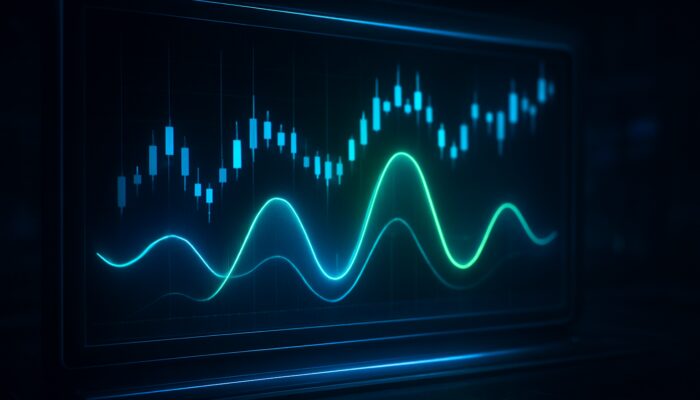
Applying Ultimate Oscillator Values to Price Charts
Traders can overlay ultimate oscillator values on candlestick or line charts to identify divergences and confirm trends. This integration significantly boosts their capability to pinpoint optimal entry and exit points based on historical price action patterns. By correlating oscillator readings with price movements, traders can make better-informed decisions.
This visual analysis method deepens traders’ understanding of market dynamics. Observing how the oscillator interacts with price changes allows them to gauge market sentiment more accurately and adjust their strategies accordingly. This proactive approach contributes to improved trading outcomes and more effective risk management.
How to Interpret Overbought Levels on the Oscillator
When the ultimate oscillator registers values above seventy, it often indicates potential pullbacks, urging traders to proceed with caution. Recognizing these overbought levels is essential for risk management, particularly during significant upward trends. Traders should contemplate adjusting their positions to protect against possible market corrections.
Awareness of overbought conditions empowers traders to anticipate shifts in momentum. By recognizing these signals, they can make timely adjustments to their strategies, ensuring responsiveness to changing market conditions. This proactive stance can greatly enhance trading performance over time.
Leveraging Threshold Crossovers for Trading Opportunities

Crossings below thirty on the ultimate oscillator suggest potential buying opportunities. Traders should closely monitor these thresholds and seek confirmation from volume or other momentum indicators to substantiate their trades. This strategy ensures that decisions are grounded in solid evidence rather than speculation.
Utilizing threshold crossovers enables traders to seize market reversals with greater assurance. This disciplined approach emphasizes the necessity of confirmation before entering positions, ultimately leading to better trading results and a more robust strategy.
Expert Perspectives on Ultimate Oscillator Calculation
Real-World Examples of Oscillator Application
Seasoned analysts frequently analyze historical datasets to showcase how the ultimate oscillator uncovers hidden momentum shifts. For example, during a recent market correction, the oscillator indicated a divergence that preceded a significant price reversal. Such insights provide practical guidance for refining individual trading methodologies.
These real-world scenarios underscore the importance of interpreting the ultimate oscillator’s signals. By evaluating past performance, traders can better anticipate future movements and avoid common pitfalls. This knowledge equips traders to make more informed decisions and navigate market complexities with greater confidence.
Fine-Tuning Parameters for Enhanced Accuracy
Optimizing the three time frames used in the ultimate oscillator is crucial for improving signal quality. Traders should take into account the asset’s volatility when making these adjustments. For instance, a highly volatile asset may necessitate shorter time frames to effectively capture rapid price movements.
To boost accuracy, traders can implement actionable steps such as backtesting various parameter settings and analyzing historical performance. Regularly recalibrating the oscillator ensures its relevance in dynamic market conditions. This continuous adjustment process is vital for maintaining the indicator’s effectiveness over time.
Comparing the Ultimate Oscillator with Other Indicators
Integrating the ultimate oscillator with moving averages can enhance signal confirmation and foster layered trading strategies. For example, using the oscillator alongside a moving average crossover can provide a more holistic view of market trends. This synergy enables traders to validate signals and make well-informed decisions.
Expert analysis suggests that incorporating multiple indicators can lead to improved trading outcomes. By capitalizing on the strengths of the ultimate oscillator in conjunction with other tools, traders can construct a comprehensive strategy that accommodates various market conditions. This multi-dimensional approach enhances overall trading performance.
Research-Backed Advantages of Ultimate Oscillator Calculation
Performance Metrics Supported by Research
Research reveals that traders utilizing the ultimate oscillator experience enhanced win rates due to its multi-timeframe approach. This methodology effectively captures broader market sentiment, allowing traders to make more informed decisions. Empirical studies indicate that the oscillator can elevate trading performance across diverse asset classes.
The statistical performance metrics associated with the ultimate oscillator highlight its significance in trading strategies. By examining win rates and risk-reward ratios, traders can gain insights into the indicator’s effectiveness. This data-driven perspective can substantially improve trading success and overall portfolio performance.
Capabilities for Risk Mitigation
The inherent weighting system of the ultimate oscillator helps minimize whipsaws, resulting in more stable portfolio performance over extended trading periods. By smoothing price fluctuations, the oscillator aids traders in avoiding false signals that could disrupt their strategies. This risk mitigation feature is particularly advantageous in volatile markets.
Traders employing the ultimate oscillator can enjoy heightened confidence in their decisions. By depending on a tool that effectively reduces risk, they can concentrate on executing their strategies without the constant need to second-guess their positions. This stability can foster improved trading results and long-term success.
Why Is the Ultimate Oscillator Considered a Reliable Analytical Tool?
Empirical evidence supports the use of the ultimate oscillator across a variety of asset classes, showcasing its consistent predictive power. Rigorous backtesting methodologies reveal that the oscillator can produce reliable signals under diverse market conditions. This adaptability makes it a valuable asset for traders seeking to enhance their analytical capabilities.
The reliability of the ultimate oscillator derives from its ability to incorporate multiple time frames, presenting a comprehensive view of market dynamics. By leveraging this indicator, traders can gain deeper insights into price movements and make more educated decisions. This dependability is a key reason for its widespread adoption among traders.
Comparative Performance Analysis with Other Indicators
Research indicates that the ultimate oscillator surpasses single-timeframe oscillators in terms of accuracy and profitability. Academic studies consistently demonstrate its superior performance across various financial instruments and time periods. This comparative analysis reinforces the value of integrating the ultimate oscillator into trading strategies.
Traders relying on the ultimate oscillator can take advantage of its robust performance metrics. By understanding how it compares to other indicators, they can make well-informed decisions regarding their trading approaches. This knowledge empowers traders to refine their strategies for better outcomes.
What Common Errors Occur in Ultimate Oscillator Calculation?
Overlooking Divergence Signals
A frequent mistake among traders is neglecting divergence signals from the ultimate oscillator. These discrepancies between price and oscillator readings often precede significant market movements. Failing to recognize these signals during routine analyses can lead to missed opportunities and substantial losses.
Traders should prioritize monitoring divergence signals to strengthen their trading strategies. By identifying these patterns, they can position themselves more effectively within the market. This proactive approach helps traders capitalize on momentum shifts and avoid falling prey to sudden price reversals.
Excessive Dependence on Fixed Thresholds
Rigidly adhering to fixed levels on the ultimate oscillator without considering context can prompt premature trades. Many traders overlook the nuanced insights that the full calculation offers when they focus solely on singular thresholds. This excessive dependence can lead to missed opportunities and heightened risk exposure.
To prevent this error, traders should evaluate the broader market context when interpreting oscillator readings. By integrating additional analyses and confirming signals with other indicators, they can make more informed decisions. This holistic approach enhances trading strategies and minimizes the likelihood of costly mistakes.
Neglecting Regular Updates of Inputs
Stale period selections can skew the results produced by the ultimate oscillator. Many traders fail to update their inputs regularly, resulting in inaccurate signals that hinder their trading performance. Routine recalibration is vital for maintaining the oscillator’s relevance in shifting price environments.
Traders should establish a consistent routine for reviewing and updating their inputs based on prevailing market conditions. This practice guarantees that the ultimate oscillator remains an effective analytical tool. By staying attuned to market fluctuations, traders can enhance their decision-making processes and improve their overall trading outcomes.
Advanced Strategies for Ultimate Oscillator Calculation
Customizing Weighting Adjustments
Altering the standard multipliers in the ultimate oscillator can heighten sensitivity while preserving its core smoothing capabilities. Traders can personalize these adjustments to align with specific volatility profiles, leading to a more tailored approach to market analysis. This customization can enhance signal quality and lead to more precise trading decisions.
By experimenting with various weighting adjustments, traders can identify the optimal settings for their trading styles. This flexibility allows them to adapt to dynamic market conditions and refine their strategies accordingly. Custom weighting adjustments represent a valuable technique for maximizing the ultimate oscillator’s effectiveness.
Integrating Multiple Oscillators for Comprehensive Analysis
Combining ultimate oscillator data with complementary tools can provide a holistic view of market conditions. Key benefits of this integrated approach include enhanced signal confirmation, reduced noise, and improved decision-making. By layering multiple oscillators, traders can create a more robust trading strategy that accounts for varying market dynamics.
This technique fosters a more nuanced analysis of market trends. Traders can leverage the strengths of different oscillators to validate their signals and refine their strategies. this method enhances overall trading performance and increases the likelihood of successful outcomes.
Implementing Backtesting Strategies
Systematically testing variations in calculations helps validate the robustness of the ultimate oscillator before applying it in live trading. Traders should engage in backtesting to evaluate how different parameter settings perform under various market conditions. This practice ensures that their strategies can endure market fluctuations and yield consistent results.
Backtesting implementation strategies also enable traders to identify potential weaknesses in their approaches. By analyzing historical performance, they can refine their strategies and bolster their overall trading effectiveness. This rigorous testing procedure is crucial for building confidence in trading decisions.
Utilizing Multi-Timeframe Integration Techniques
Exploring techniques for multi-timeframe integration allows traders to synchronize ultimate oscillator readings across various intervals. This practice can validate trading signals and reduce noise, ensuring more reliable entries and exits in volatile financial markets. By aligning oscillator readings across timeframes, traders can enhance their decision-making processes.
Multi-timeframe integration encourages a comprehensive understanding of market dynamics. Traders can analyze how the oscillator behaves across different intervals, providing deeper insights into price movements. This thorough approach enriches trading strategies and empowers traders to navigate market complexities with greater confidence.
Frequently Asked Questions
What is the primary purpose of the ultimate oscillator?
The ultimate oscillator measures market momentum by integrating price data across three distinct time frames. It assists traders in identifying potential reversals, overbought or oversold conditions, and enhances decision-making in their trading strategies.
How do you accurately calculate the ultimate oscillator?
To compute the ultimate oscillator, first determine the typical price for each period, then calculate the buying and selling pressure, and finally compute the weighted average of these pressures. Consolidate results from the three timeframes into a single oscillator value.
What do overbought levels signify on the ultimate oscillator?
Values above seventy on the ultimate oscillator indicate potential market pullbacks. Traders should exercise caution and evaluate their positions to manage risk during notable upward trends.
How can I enhance my trading decisions using the ultimate oscillator?
To improve your trading decisions, integrate ultimate oscillator values with price charts, interpret overbought levels, and closely monitor threshold crossovers. This comprehensive approach improves entry and exit points based on historical price movements.
What common errors occur when using the ultimate oscillator?
Common pitfalls include overlooking divergence signals, excessively relying on single thresholds, and neglecting to update inputs regularly. These missteps can lead to missed opportunities and inaccurate trading signals.
Is it beneficial to combine the ultimate oscillator with other indicators?
Yes, integrating the ultimate oscillator with additional indicators, such as moving averages, can strengthen signal confirmation and develop layered trading strategies. This combination enhances overall trading performance.
What contributes to the ultimate oscillator’s reliability in analysis?
The ultimate oscillator’s reliability is rooted in its multi-timeframe approach, which effectively captures broader market sentiment. Empirical data supports its efficacy across a range of asset classes, making it a significant analytical tool.
How frequently should I refresh my ultimate oscillator settings?
It is crucial to regularly update ultimate oscillator settings, especially in fast-changing markets. Periodic recalibration ensures that the indicator remains relevant and provides accurate signals for informed trading decisions.
What advantages does backtesting with the ultimate oscillator provide?
Backtesting with the ultimate oscillator validates the robustness of trading strategies. It enables traders to evaluate different parameter settings under varying market conditions, ensuring consistent performance.
How can custom weighting adjustments improve the ultimate oscillator?
Custom weighting adjustments can increase the ultimate oscillator’s sensitivity to market movements while retaining its smoothing characteristics. Tailoring these settings to specific volatility profiles enhances signal quality and accuracy.