
Exploring the Essentials of Layer 2 Scaling Solutions
Fundamental Concepts of Blockchain Scaling
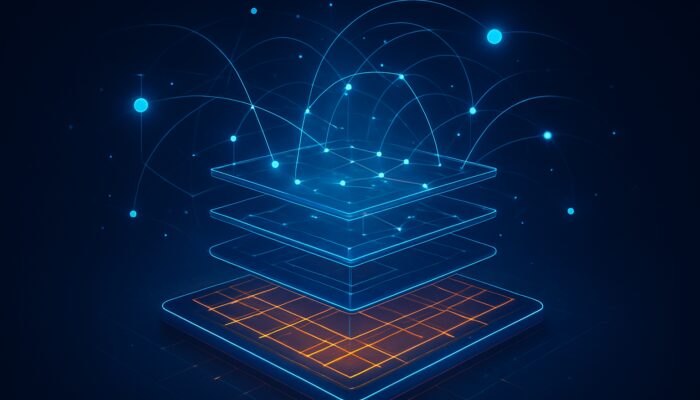
Layer 2 scaling solutions aim to boost the transaction capacities of blockchain networks while still ensuring the foundational principles of security and decentralization are preserved. By building on top of existing base layer protocols, these solutions enable the efficient management of heightened transaction volumes. This versatile strategy applies universally across all blockchain systems, allowing users globally to enjoy faster and more economical transactions. As the blockchain technology landscape evolves, effective scaling becomes increasingly essential, spawning innovative solutions that tackle the limitations inherent within primary chains.
The principal objective of layer 2 scaling is to mitigate congestion on the main blockchain while ensuring the network’s integrity remains intact. This is accomplished by processing transactions off-chain, significantly alleviating the load on the primary layer. the network becomes more responsive and efficient, capable of accommodating the rising demands of users and applications worldwide. By employing various techniques, layer 2 solutions deliver the necessary infrastructure for blockchain networks to flourish in an ever-expanding digital ecosystem.
Ultimately, successful scaling relies on a delicate balance between throughput, cost, and security. Developers must embrace strategies that not only elevate performance but also uphold the core tenets of blockchain technology. As the landscape progresses, the pursuit of groundbreaking layer 2 solutions continues, spurred by the necessity for seamless user experiences and robust network functionality.
Essential Elements of Layer 2 Solutions
Developers who utilize layer 2 scaling solutions concentrate on diverse off-chain processing techniques to lighten the burden on primary chains. These methods often involve creating environments where transactions can take place more swiftly, with minimal engagement with the base layer. This enables quicker confirmations and lower costs for users worldwide, fostering a more effective transaction ecosystem.
A critical component of layer 2 solutions is the deployment of state channels, which allow for direct interactions between participants without necessitating that every transaction be recorded on the main blockchain. This strategy optimizes resource allocation while ensuring that the ultimate settlement is documented on-chain, thus preserving the security and transparency of the blockchain. developers investigate rollups and sidechains to further bolster scalability and adaptability.
The integration of these elements necessitates a comprehensive understanding of existing blockchain architectures and the obstacles they encounter. As developers innovate and refine their methodologies, the overall efficacy of layer 2 scaling solutions continues to progress, paving the way for wider adoption and more advanced applications within the digital landscape.
What Characteristics Determine Effective Scaling?
Effective scaling in the context of layer 2 solutions can be characterized by several key metrics, including throughput, cost-effectiveness, and user experience. Throughput gauges the number of transactions that can be processed within a specific timeframe, while cost-effectiveness evaluates the expenses tied to executing those transactions. Both elements are vital in assessing the viability of a scaling solution in catering to an expanding user base.
To pinpoint robust scaling strategies, it’s crucial to analyze these metrics concerning the distinct requirements of the digital ecosystem. For instance, a solution that dramatically boosts throughput but incurs high transaction fees may not be sustainable over time. On the other hand, a cost-effective solution that falls short in providing adequate throughput may find it challenging to gain user traction. achieving the right equilibrium is essential.
Effective scaling solutions must uphold the security and decentralization principles that are foundational to blockchain technology. As transaction volumes rise, it is critical for the network to remain resilient against attacks and maintain its distributed nature. By concentrating on these core aspects, developers can devise layer 2 solutions that not only cater to present demands but also adapt to future challenges within the blockchain landscape.
Popular Methods for Implementing Layer 2 Solutions

A Deep Dive into State Channels
State channels represent a significant layer 2 scaling method that enables users to interact directly outside of the main blockchain. This mechanism allows participants to conduct numerous transactions without the necessity of recording each one on-chain, substantially reducing congestion and enhancing efficiency. Only the final state of these interactions gets submitted to the main blockchain, which helps maintain the network’s integrity while optimizing resource consumption.
The primary advantage of state channels lies in their capability to facilitate instantaneous transactions between participants. Since the majority of transaction processing occurs off-chain, users benefit from near-instant confirmation times, making this method particularly appealing for applications requiring swift interactions. This feature proves especially beneficial in scenarios such as gaming or micropayments, where speed is critical to user satisfaction.
State channels also present certain challenges. Participants must remain online and actively engaged in the channel for it to operate effectively. establishing a state channel requires an initial on-chain transaction, which may pose a barrier for some users. Despite these obstacles, state channels serve as a powerful asset in the layer 2 scaling toolkit, providing substantial benefits for specific use cases.
An Overview of Rollup Variations
Rollups constitute another fundamental layer 2 implementation method that consolidates multiple transactions into a single batch prior to submitting them to the main blockchain. There are two primary categories of rollups: optimistic rollups and zero-knowledge rollups. Both aim to enhance the scalability of blockchain networks but differ in their foundational mechanisms and transaction validation approaches.
Optimistic rollups function on the premise that transactions are valid by default. They permit users to submit transactions without immediate verification, allowing anyone to challenge the validity of a transaction within a designated timeframe. This approach significantly reduces the computational burden on the main blockchain, facilitating higher throughput and lower costs.
Conversely, zero-knowledge rollups employ cryptographic proofs to validate transactions before they are submitted to the main chain. This strategy guarantees that only legitimate transactions are recorded, boosting security while still benefiting from batch processing. Zero-knowledge rollups are particularly advantageous for privacy-focused applications, as they can obscure transaction details while preserving the integrity of the blockchain.
Both rollup variations contribute to the expanding landscape of layer 2 solutions, offering unique benefits and trade-offs. By comprehending the differences between optimistic and zero-knowledge rollups, developers can select the most appropriate approach for their specific project requirements and user expectations.
The Role of Sidechain Integrations
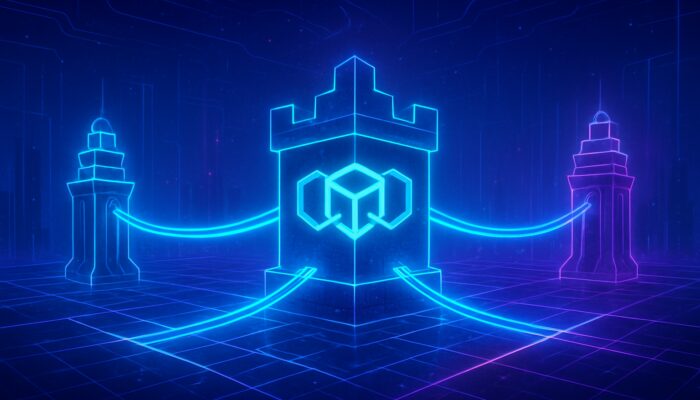
Sidechains are distinct blockchains that operate parallel to the main blockchain, granting greater flexibility and functionality. They empower developers to craft specialized environments tailored to specific applications while still benefiting from the security of the main chain. The integration of sidechains into the blockchain ecosystem presents several key advantages:
- Improved scalability: Sidechains can independently process transactions, alleviating the load on the main blockchain.
- Customization: Developers can design sidechains to meet unique requirements, including consensus methods and governance frameworks.
- Interoperability: Sidechains can enable asset transfers between various blockchains, fostering a more interconnected ecosystem.
- Experimental space: Sidechains allow for testing new features and functions without jeopardizing the main chain’s stability.
By capitalizing on these benefits, sidechains can significantly extend the capabilities of blockchain networks. They provide developers with the resources needed to create innovative applications that address diverse user needs while ensuring that the main blockchain remains secure and efficient.
Implementing sidechains is not without its challenges. Ensuring smooth interoperability between the main chain and sidechains is crucial for maintaining a cohesive user experience. developers must tackle potential security concerns related to asset transfers between chains. By carefully navigating these challenges, sidechains can deliver considerable advantages in the quest for scalable blockchain solutions.
Understanding Plasma Frameworks
Plasma serves as a layer 2 scaling solution that facilitates the creation of scalable child chains anchored to the main blockchain. This framework employs Merkle trees and fraud proofs to guarantee high throughput while maintaining security. Plasma allows for the processing of numerous transactions off-chain, significantly alleviating congestion on the main blockchain and enhancing overall efficiency.
A key feature of Plasma is its ability to create child chains that can function independently while still being linked to the main chain. This architecture allows for the execution of complex smart contracts and decentralized applications (dApps) without placing an undue burden on the primary blockchain. Users stand to gain from expedited transaction speeds and reduced fees, making Plasma an appealing option for various applications.
Plasma also incorporates exit games, designed to safeguard user funds in the event of disputes or fraud. This mechanism ensures that users can securely withdraw their assets, even if complications arise within the child chain. By providing a solid framework for scalability, Plasma contributes to the ongoing advancement of layer 2 solutions, equipping developers with the tools necessary to design efficient and secure applications within the blockchain ecosystem.
How Layer 2 Solutions Operate
Fundamentals of Transaction Flow
The transaction flow within layer 2 solutions commences when users initiate actions that are processed externally, away from the main blockchain. This off-chain processing facilitates quicker interactions and diminishes the burden on the primary layer. Once transactions are executed, a summary of the outcomes is relayed back to the base layer for finalization, ensuring the blockchain’s integrity is preserved.
This methodology significantly enhances the user experience by delivering faster confirmation times and lower fees. Users can engage in multiple transactions without encountering delays or incurring high costs, which is especially beneficial for applications demanding rapid interactions, such as gaming or trading platforms. The streamlined transaction flow allows for more efficient resource utilization, ultimately benefiting all participants in the network.
Layer 2 solutions frequently employ diverse techniques to guarantee that the main blockchain remains secure and dependable. By processing transactions off-chain, developers can implement additional verification methods that confirm transaction validity without necessitating full data checks at every stage. This equilibrium of speed and security is vital for sustaining user trust and confidence within the blockchain ecosystem.
Understanding Verification Processes
Verification processes in layer 2 solutions are crafted to affirm the validity of transactions without the need for complete data checks at each phase. This efficiency is achieved through a blend of cryptographic techniques and consensus mechanisms that enable rapid validation while safeguarding the network’s integrity. By refining these processes, layer 2 solutions can sustain high throughput and low costs, making them appealing to users globally.
A common verification approach involves utilizing fraud proofs, particularly in optimistic rollups. In this model, transactions are presumed valid unless challenged by other participants. If a challenge occurs, the network can swiftly validate the legitimacy of the transaction, ensuring that only valid actions are recorded on the main blockchain. This strategy facilitates efficient processing while still protecting against potential malicious activities.
Zero-knowledge proofs enhance security in verification processes. By allowing users to substantiate the validity of transactions without disclosing sensitive information, zero-knowledge rollups boost privacy while maintaining the blockchain’s integrity. This combination of verification methods contributes to the overall effectiveness of layer 2 solutions, enabling them to support a wide array of applications while ensuring the security and reliability of the underlying blockchain.
Finality of Settlements
Settlement finality in layer 2 solutions pertains to the procedure through which the main blockchain records the outcomes of off-chain transactions. This periodic submission of transaction summaries guarantees that all prior activities are securely anchored to the primary layer, providing users with trust and reliability. The finality of these settlements is crucial for maintaining the integrity of the blockchain and ensuring that users can engage in transactions with confidence.
As layer 2 solutions process transactions off-chain, establishing a clear mechanism for finality is essential. This often entails defining specific intervals at which transaction summaries are sent to the main blockchain. By doing this, developers can ensure that the network remains responsive while still offering a dependable record of all activities. This balance is vital for fostering user confidence in the system.
The finality of settlements acts as a security anchor for all preceding transactions. In instances of disputes or challenges, users can rely on the main blockchain to provide a definitive record of their interactions. This feature is particularly critical in decentralized finance (DeFi) applications, where the accuracy and reliability of transaction records are paramount. By ensuring robust settlement finality, layer 2 solutions can enhance the overall user experience and bolster the growth of the blockchain ecosystem.
Expert Perspectives on Layer 2 Scaling Solutions
Strategies for Advanced Optimization
In the domain of layer 2 scaling solutions, advanced optimization strategies are crucial for enhancing performance while upholding the core attributes of blockchain technology. Developers continually explore innovative methods to fine-tune protocols, ensuring they can manage increased transaction volumes without compromising security or user experience. Real-world examples of these optimizations provide valuable insights into effective strategies.
One noteworthy optimization strategy involves implementing batching techniques, which consolidate multiple transactions into a single submission to the main chain. This approach not only diminishes overall transaction fees but also lessens the load on the primary blockchain. By adopting batching methods, developers can significantly boost throughput and cultivate a more efficient transaction environment for users across various applications.
Another advanced optimization tactic is the introduction of adaptive fee structures. By dynamically modifying transaction fees based on network demand, developers can ensure that users are not deterred by high costs during peak periods. This flexibility fosters a more responsive and user-friendly experience, ultimately contributing to the widespread adoption of layer 2 solutions in the blockchain ecosystem.
As the landscape of layer 2 solutions continues to evolve, the necessity for ongoing optimization will remain critical. Developers must stay aware of emerging trends and technologies, continually refining their approaches to meet the growing demands of users and applications worldwide. By leveraging advanced optimization strategies, they can create robust and scalable solutions that enhance the overall functionality of blockchain networks.
Analyzing Integration Challenges
Integrating layer 2 scaling solutions into existing blockchain ecosystems presents various challenges that developers must navigate to achieve seamless outcomes. Compatibility issues frequently emerge during deployment phases, as differing protocols and architectures may not readily align. A thorough examination of these challenges can help identify potential pitfalls and inform strategies for successful integration.
One primary challenge is ensuring interoperability between the main blockchain and the layer 2 solution. Developers must devise mechanisms that enable smooth communication between the two layers, facilitating efficient transaction processing and data sharing. This often necessitates careful planning and collaboration among various stakeholders to ensure effective execution of the integration.
The complexity of managing multiple layers can escalate resource demands on development teams. As they strive to implement layer 2 solutions, teams must address potential scalability issues and ensure their infrastructure can support the additional load. By proactively identifying and tackling these challenges, developers can create a more streamlined integration process that enhances the overall performance of the blockchain ecosystem.
Ultimately, the successful integration of layer 2 scaling solutions relies on a combination of technical expertise, collaboration, and strategic planning. By recognizing the challenges involved and adopting a proactive approach, developers can create robust, efficient solutions that meet the evolving needs of users and applications within the blockchain space.
Benchmarking Performance Effectively
Performance benchmarking is a vital aspect of assessing the effectiveness of layer 2 scaling solutions. Accurately measuring improvements allows developers to gain valuable insights into the capabilities of their implementations and pinpoint areas for further optimization. Establishing a clear framework for benchmarking enables consistent comparisons across various solutions and informs decision-making processes.
One actionable step for performance benchmarking is defining key performance indicators (KPIs) that align with the specific objectives of the layer 2 solution. These KPIs may encompass metrics such as transaction throughput, confirmation times, and cost per transaction. By establishing clear benchmarks, developers can evaluate their solutions’ performance against these criteria and identify areas for enhancement.
Employing standard tools and methodologies for benchmarking can improve the reliability of results. By utilizing widely recognized testing frameworks and protocols, developers can ensure that their performance evaluations are consistent and comparable to other solutions in the market. This approach fosters transparency and builds trust among users and stakeholders alike.
As the landscape of layer 2 solutions continues to evolve, ongoing performance benchmarking will remain essential for driving innovation and improvement. By routinely assessing their implementations against established benchmarks, developers can ensure they deliver effective and efficient solutions that meet users’ needs worldwide.
Which Layer 2 Protocols Are Gaining Popularity?
Criteria for Selecting Layer 2 Protocols
When choosing a layer 2 protocol, several factors can guide developers in making informed decisions. Maturity and feature sets are two critical criteria that significantly affect the selection process, as they can impact the effectiveness and reliability of the chosen solution. By carefully assessing these factors, developers can ensure they select a protocol that aligns with their project requirements.
Maturity is a vital consideration, as established protocols often have a proven performance and security track record. Developers should seek protocols that have undergone rigorous testing and demonstrated their capability to manage real-world transaction volumes. This provides a level of assurance that the chosen solution will perform reliably across various scenarios.
Feature sets also play a crucial role in the selection process. Different layer 2 protocols offer varying functionalities, such as support for smart contracts, privacy features, and interoperability with other blockchains. Developers must evaluate their specific needs and choose a protocol that offers the necessary capabilities to effectively achieve their project goals. By considering both maturity and feature sets, developers can make informed decisions that enhance the overall success of their layer 2 implementations.
Frameworks for Comparison
Comparison frameworks serve as essential tools for assessing the trade-offs between different layer 2 protocols, particularly regarding speed, cost, and security options. By providing a structured approach to analysis, these frameworks enable developers to make informed choices when selecting a protocol that aligns with their project requirements. A clear understanding of the strengths and weaknesses of each option can guide the development process and enhance overall outcomes.
One key advantage of comparison frameworks is their ability to highlight the varying transaction speeds offered by distinct protocols. Some layer 2 solutions excel at delivering rapid transaction confirmations, while others may prioritize security or cost efficiency. By evaluating these factors, developers can choose a protocol that best accommodates the requirements of their specific applications, whether they prioritize speed for gaming or security for financial transactions.
Cost considerations form another critical component of comparison frameworks. Developers must scrutinize the transaction fees associated with each layer 2 solution and determine which option provides the most cost-effective approach for their user base. By analyzing the trade-offs between speed and cost, developers can achieve the right balance, ensuring that their chosen protocol meets user needs without becoming prohibitively expensive.
Security is also a crucial element in any comparison framework. Developers should assess the mechanisms employed by each protocol to protect user funds and uphold the network’s integrity. By gaining insight into the security features and potential vulnerabilities of different layer 2 solutions, developers can make informed decisions that safeguard their users and bolster trust in their applications.
Adoption Trends in Layer 2 Solutions
The adoption patterns of layer 2 solutions provide valuable insights into their reliability and effectiveness in supporting everyday decentralized activities. As blockchain technology matures, the growing utilization of layer 2 solutions showcases their ability to resolve the scalability challenges faced by primary chains. This widespread adoption underscores the increasing demand for efficient and cost-effective transaction processing across various applications.
One notable trend in adoption is the rise of decentralized finance (DeFi) platforms that leverage layer 2 solutions to enhance transaction speed and reduce costs. By harnessing these technologies, DeFi projects can offer users a seamless experience, enabling them to trade, lend, and borrow assets without the congestion typically associated with the main blockchain. This trend highlights the significance of layer 2 solutions in the rapidly evolving DeFi landscape.
Gaming and non-fungible token (NFT) platforms are progressively adopting layer 2 solutions to enhance user experiences. The need for rapid and affordable transactions is paramount in these sectors, where users anticipate immediate interactions and minimal fees. As more projects integrate layer 2 solutions to meet these demands, the overall ecosystem benefits from increased efficiency and user satisfaction.
The growing adoption of layer 2 solutions stands as a testament to their efficacy in addressing the scalability challenges of blockchain technology. As more developers and projects recognize the advantages these solutions provide, the landscape will continue to evolve, laying the groundwork for innovative applications and a more interconnected blockchain ecosystem.
Research-Backed Advantages of Layer 2 Scaling Solutions
Documented Efficiency Improvements
Research consistently showcases the substantial efficiency gains attainable through the implementation of layer 2 scaling solutions. Studies reveal that these methods can significantly reduce transaction fees and processing times, benefiting all participants in the blockchain ecosystem. By alleviating congestion on primary chains, layer 2 solutions foster a more efficient transaction environment.
A prominent example of efficiency gains can be observed through the use of rollups, which consolidate multiple transactions into a single batch for submission to the main blockchain. This technique not only lowers overall transaction costs but also boosts throughput, allowing for a higher volume of transactions to be processed in a shorter timeframe. The documented success of rollups highlights their potential to transform blockchain network operations.
State channels have demonstrated efficiency benefits, particularly in applications requiring swift interactions. By enabling direct transactions off-chain, state channels alleviate the load on the main blockchain and allow for instant confirmations. This capability is particularly valuable in sectors like gaming and micropayments, where speed and cost-effectiveness are crucial. The documented efficiency gains of layer 2 solutions emphasize their significance in advancing blockchain technology and supporting a variety of applications.
Evidence of Scalability
Expert analyses of data from various tests confirm that layer 2 scaling solutions can achieve higher capacities without compromising foundational principles. These solutions enable blockchain networks to process increased transaction volumes while maintaining security and decentralization. The evidence supporting the scalability of layer 2 solutions is vital for developers and stakeholders looking to embrace these technologies.
One compelling illustration of scalability evidence is the performance of optimistic rollups, which have shown the ability to handle thousands of transactions per second. By batching transactions and utilizing a challenge mechanism for validation, optimistic rollups can significantly enhance the scalability of blockchain networks. This performance underscores the potential of layer 2 solutions to meet the growing demands of users and applications.
Zero-knowledge rollups have also exhibited promise in scalability assessments, with their capacity to validate transactions without revealing sensitive information. This unique feature enhances privacy while still allowing for high throughput, making zero-knowledge rollups an appealing option for various applications. The scalability evidence presented by these solutions reinforces their role in the ongoing development of blockchain technology and its capability to support a wide range of use cases.
Enhancements to User Experience
Layer 2 scaling solutions provide numerous user experience improvements that can significantly elevate overall user satisfaction within the blockchain ecosystem. By addressing common pain points like high fees and delayed transaction times, these solutions create a more fluid and efficient environment for users. Developers can leverage these advantages to optimize application development cycles and foster user engagement.
One actionable strategy for enhancing user experience is simplifying the onboarding process for new users. By integrating layer 2 solutions into applications, developers can offer users a more intuitive experience, lowering barriers to entry and encouraging participation. This approach can lead to increased adoption and engagement, ultimately benefitting the entire ecosystem.
Improving transaction speeds through layer 2 solutions can lead to heightened user satisfaction. Users expect instant confirmations and low fees, particularly in applications like gaming and DeFi. By implementing layer 2 solutions that prioritize speed and cost-effectiveness, developers can create a more enticing experience for users, driving further engagement and participation.
In summary, the user experience enhancements provided by layer 2 scaling solutions are critical for nurturing a thriving blockchain ecosystem. By prioritizing user needs and tackling common challenges, developers can create applications that resonate with participants and contribute to the ongoing expansion of blockchain technology.
What Challenges Are Associated with Layer 2 Scaling?
Overcoming Interoperability Challenges
Interoperability challenges represent significant obstacles in the implementation of layer 2 scaling solutions. As various blockchain networks and layer 2 protocols emerge, ensuring seamless communication and interaction between them becomes increasingly complex. Developers must navigate these challenges to prevent fragmentation in the broader technology landscape, which could undermine the overall effectiveness of layer 2 solutions.
One of the primary interoperability challenges is the absence of standardized protocols across different blockchain networks. Each layer 2 solution may employ unique mechanisms and architectures, making it difficult for developers to create solutions that function across multiple platforms. This fragmentation can result in inefficiencies and inhibit the potential benefits of layer 2 scaling solutions.
Ensuring seamless asset transfers between different layer 2 solutions is vital for fostering a cohesive ecosystem. Developers must devise mechanisms that facilitate these transfers while upholding security and integrity. By addressing interoperability challenges, developers can build a more interconnected blockchain landscape that enhances the overall user experience and promotes widespread adoption of layer 2 solutions.
To overcome these challenges, collaboration among developers, stakeholders, and industry leaders is essential. By working together to establish common standards and protocols, the blockchain community can create a more unified approach to interoperability, ultimately bolstering the effectiveness of layer 2 scaling solutions.
Managing Resource Demands
Maintaining additional layers within the blockchain ecosystem can increase complexity for teams managing infrastructure at any level. As developers implement layer 2 scaling solutions, they must consider the resource demands associated with managing multiple layers. This complexity can pose challenges for teams, particularly those with limited resources or expertise in blockchain technology.
One primary resource demand stems from the necessity for ongoing monitoring and maintenance of layer 2 solutions. Developers must ensure their implementations remain secure and efficient, necessitating continuous oversight and updates. This ongoing commitment can strain resources, especially for smaller teams or projects with limited budgets.
The complexity of managing interactions between the main blockchain and layer 2 solutions can further escalate resource demands. Developers must design robust mechanisms for communication and transaction processing, which can require substantial time and effort. By proactively addressing these resource demands, teams can establish more streamlined processes that enhance the overall performance of their layer 2 implementations.
Ultimately, effective resource management is crucial for the successful deployment of layer 2 scaling solutions. By understanding the challenges associated with maintaining additional layers, developers can implement strategies that optimize resource utilization and ensure the long-term viability of their projects.
Addressing the Need for Standardization
Establishing common practices and standards is vital for supporting smoother advancements in layer 2 scaling solutions. As the blockchain landscape continues to evolve, the necessity for standardization becomes increasingly apparent. By creating a cohesive framework for layer 2 implementations, developers can enhance compatibility and interoperability across different protocols and networks.
One primary benefit of standardization is the potential for increased collaboration among developers and stakeholders. By adopting common practices, teams can share knowledge and resources more effectively, leading to innovative solutions and improved outcomes. This collaborative environment fosters a sense of community within the blockchain ecosystem, ultimately driving progress and growth.
Standardization can aid in addressing interoperability challenges by providing a clear framework for communication between various layer 2 solutions. By establishing common protocols and mechanisms, developers can ensure that assets can be transferred seamlessly across networks, enhancing the overall user experience. This approach not only benefits individual projects but also contributes to the broader adoption of layer 2 scaling solutions within the blockchain landscape.
In conclusion, establishing common practices and standards is essential for the continued advancement of layer 2 scaling solutions. By fostering collaboration and tackling interoperability challenges, the blockchain community can create a more unified and efficient ecosystem that benefits all participants.
Security Considerations in Layer 2 Solutions
Strategies for Threat Mitigation
Implementing effective threat mitigation strategies is crucial for protecting layer 2 scaling solutions against potential exploits. As these solutions operate within the broader blockchain ecosystem, they must be designed with security in mind to safeguard user funds and maintain network integrity. Developers can adopt several key strategies to enhance the security of their layer 2 implementations.
- Regular audits: Performing thorough security audits can help identify vulnerabilities and ensure that the implementation adheres to best practices.
- Monitoring tools: Utilizing real-time monitoring tools can help detect suspicious activities and mitigate potential threats before they escalate.
- User education: Informing users about safe practices and possible risks can empower them to protect their assets effectively.
- Multi-signature wallets: Implementing multi-signature wallets can enhance security by requiring multiple approvals for transactions.
By embracing these strategies, developers can build more resilient layer 2 solutions that withstand potential attacks and maintain user trust. Security must remain a top priority throughout the development process, as any vulnerabilities can have significant repercussions for users and the broader blockchain ecosystem.
Ongoing collaboration within the blockchain community can facilitate the sharing of knowledge and best practices related to security. By working together to address common threats, developers can bolster the overall security posture of layer 2 solutions and contribute to the long-term viability of the blockchain landscape.
Which Risks Need Attention?
Several risks demand careful scrutiny when developing layer 2 scaling solutions, as they can significantly affect the security and reliability of the network. Identifying and addressing these risks is essential for ensuring users can confidently engage with the technology without fear of exploitation or loss of funds.
One critical risk is the potential for smart contract vulnerabilities. As layer 2 solutions often rely on intricate smart contracts to facilitate transactions, any flaws in their code can lead to substantial security breaches. Developers must conduct comprehensive testing and audits to ensure that their smart contracts are secure and free from vulnerabilities.
Another risk involves the challenge of safeguarding user funds during disputes or fraud scenarios. Layer 2 solutions must implement robust mechanisms, such as exit games, to protect user assets in the event of issues arising within the system. By addressing these risks proactively, developers can enhance user confidence and ensure the long-term viability of their layer 2 implementations.
Ongoing monitoring and auditing are crucial for identifying potential vulnerabilities as the technology landscape evolves. By remaining vigilant and adapting their strategies accordingly, developers can maintain a strong security posture and safeguard users from potential risks associated with layer 2 scaling solutions.
Reviewing Trust Assumptions
In the design of layer 2 scaling solutions, trust assumptions play a vital role in ensuring robust protection suitable for sensitive uses. Developers must carefully balance these assumptions to maintain security and decentralization while providing efficient transaction processing. A thorough review of trust assumptions is essential for identifying potential weaknesses and enhancing the overall integrity of the solution.
One key aspect of trust assumptions involves understanding the reliance on validators or operators within layer 2 solutions. For instance, optimistic rollups depend on the belief that participants will act honestly and challenge fraudulent transactions when necessary. Developers must consider the implications of this reliance and implement mechanisms that incentivize honest behavior among participants.
The design of layer 2 solutions should account for potential centralization risks. As certain protocols may depend on a limited number of validators or operators, the risk of centralization can undermine the security and trustworthiness of the network. By promoting decentralization through diverse participation, developers can enhance the overall resilience of their layer 2 implementations.
Ultimately, a comprehensive review of trust assumptions is essential for creating layer 2 scaling solutions that are secure and reliable. By addressing potential vulnerabilities and promoting decentralization, developers can foster user confidence and contribute to the long-term success of the blockchain ecosystem.
Evaluating Encryption Protocols
Proper evaluation of encryption protocols is fundamental for maintaining data integrity and confidentiality in distributed networks. As layer 2 scaling solutions process sensitive user information and transactions, developers must implement robust encryption mechanisms to mitigate interception threats and ensure secure communications. This evaluation is critical for protecting user assets and maintaining trust within the blockchain ecosystem.
A key aspect of encryption protocols evaluation involves assessing the strength of the cryptographic algorithms used. Developers should prioritize the implementation of industry-standard encryption techniques that have been rigorously vetted by the security community. By utilizing proven algorithms, they can enhance the overall security posture of their layer 2 solutions and shield against potential attacks.
Developers must consider the implementation of encryption protocols at various system layers. This includes securing data in transit, at rest, and during processing. By adopting a multi-layered approach to encryption, developers can create a more resilient security framework that safeguards user information and maintains the integrity of the blockchain.
Ongoing evaluation and updates to encryption protocols are vital for addressing emerging threats and vulnerabilities. As the technology landscape evolves, developers must remain vigilant and adapt their encryption strategies accordingly to ensure that user data remains secure and confidential throughout all operational phases of the layer 2 solution.
Future Directions in Layer 2 Development
Fusing Emerging Technologies
The future of layer 2 development is set for significant advancements as emerging technology fusions enhance the capabilities of blockchain networks. By integrating layer 2 solutions with other innovations, such as artificial intelligence (AI), the Internet of Things (IoT), and decentralized finance (DeFi), developers can create more sophisticated and efficient applications that cater to diverse user needs.
One notable trend is the integration of AI with layer 2 solutions to optimize transaction processing and improve user experiences. By leveraging machine learning algorithms, developers can analyze transaction patterns and anticipate user behavior, enabling more efficient resource allocation and enhanced performance. This fusion can lead to faster transaction speeds and reduced costs, ultimately benefiting users across various applications.
The convergence of IoT and layer 2 solutions presents exciting opportunities for improving scalability and functionality. By enabling seamless interactions between IoT devices and blockchain networks, developers can create more efficient ecosystems that facilitate real-time data sharing and automated transactions. This fusion has the potential to revolutionize industries such as supply chain management and smart cities, driving further adoption of layer 2 technologies.
As these emerging technology fusions continue to evolve, the landscape of layer 2 development will become increasingly dynamic. Developers must stay vigilant in observing these trends and explore innovative ways to incorporate new technologies into their layer 2 solutions, ultimately enhancing the overall functionality and user experience of blockchain networks.
Possible Evolution of Standards
The evolution of standards in layer 2 development will play a crucial role in shaping the future of blockchain technology. As the ecosystem matures, collaborative efforts among developers, stakeholders, and industry leaders will be essential for establishing common practices that promote interoperability and compatibility across various layer 2 solutions.
One possible direction for standardization involves the establishment of shared protocols for communication between different layer 2 solutions. By creating a unified framework for interaction, developers can facilitate seamless asset transfers and data sharing between networks. This evolution of standards would enhance the overall user experience and encourage broader adoption of layer 2 technologies.
The development of best practices for security and performance benchmarking can further contribute to the standardization of layer 2 solutions. By establishing clear guidelines for auditing, monitoring, and optimizing implementations, the blockchain community can foster a more reliable and efficient ecosystem. This collaborative approach will encourage innovation while ensuring that users can trust the security and functionality of layer 2 solutions.
Ultimately, the evolution of standards in layer 2 development will necessitate ongoing dialogue and collaboration within the blockchain community. By working together to establish common practices, developers can create a more unified and effective ecosystem that supports the continued growth and advancement of layer 2 scaling solutions.
Factors Influencing Sustainability
Sustainability factors will increasingly shape the development of layer 2 scaling solutions as the blockchain industry grapples with environmental concerns and energy efficiency. As demand for blockchain technology continues to rise, developers must prioritize responsible innovation practices that align with sustainability goals.
One key aspect of sustainability in layer 2 development involves optimizing energy consumption during transaction processing. By leveraging more efficient consensus mechanisms and decreasing the computational load on primary chains, developers can create layer 2 solutions that minimize their environmental impact. This focus on energy efficiency is essential for fostering a more sustainable blockchain ecosystem.
Adopting eco-friendly technologies and practices will play a critical role in shaping the future of layer 2 solutions. Developers can explore utilizing renewable energy sources to power their infrastructure and implement carbon offset initiatives to mitigate their environmental footprint. By prioritizing sustainability, developers can enhance the overall reputation of the blockchain industry and attract environmentally conscious users.
As the momentum for sustainability continues to build, layer 2 developers must proactively address environmental concerns. By integrating sustainable practices into their development processes, they can contribute to a more responsible and eco-friendly blockchain ecosystem that meets users’ needs while minimizing its impact on the planet.
Enhancing Cross-Chain Interoperability
Cross-chain interoperability improvements will be a significant focus in the future of layer 2 development, as the need for seamless asset transfers and data sharing becomes increasingly critical. By enhancing protocols for connecting different layer 2 networks, developers can foster a more interconnected blockchain ecosystem that supports complex decentralized applications and broader adoption among users worldwide.
One promising approach to improving cross-chain interoperability involves the development of standardized communication protocols that facilitate interactions between various layer 2 solutions. By establishing common frameworks for asset transfers and data sharing, developers can ensure that users can easily access and utilize multiple networks without encountering barriers.
The integration of decentralized oracles can enhance cross-chain interoperability by providing reliable data feeds and facilitating communication between different blockchains. This approach allows for more efficient interactions between layer 2 solutions, ultimately driving further adoption and innovation within the blockchain ecosystem.
As cross-chain interoperability improvements continue to evolve, developers must remain attentive to potential challenges and ensure their solutions are adaptable to the changing landscape. By prioritizing interoperability, layer 2 developers can create a more cohesive and efficient ecosystem that benefits users and supports the ongoing growth of blockchain technology.
Influence of Regulatory Frameworks on Innovation
Regulatory influences will significantly shape the future of layer 2 development as evolving legal frameworks worldwide impact the advancement of blockchain technologies. Developers must navigate these regulatory landscapes carefully, adapting their strategies to ensure compliance while pushing the boundaries of what is technically feasible in secure scaling.
One potential outcome of regulatory influences is the establishment of clearer guidelines for implementing layer 2 solutions. As governments and regulatory entities seek to create frameworks for blockchain technology, developers can benefit from increased clarity regarding compliance requirements. This understanding can foster innovation while ensuring that projects align with legal standards.
Regulatory constraints might also present challenges for layer 2 development. Stricter regulations could stifle innovation and slow the adoption of new technologies, particularly if compliance requirements become overly burdensome. Developers must remain agile and adaptable, finding ways to innovate within the confines of regulatory frameworks while advocating for policies that support the growth of the blockchain ecosystem.
Ultimately, the dynamic interplay between regulation and innovation will shape the future of layer 2 development, influencing how developers approach their projects and how the broader blockchain community evolves.