
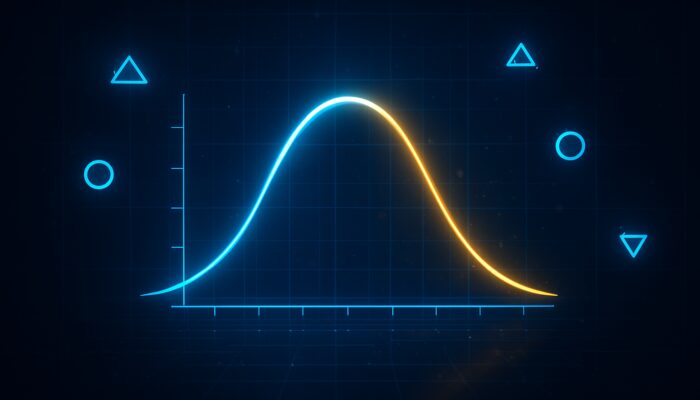
Understanding Volatility Smile Structures: Key Insights
Essential Components of Implied Volatility

Grasping the concept of implied volatility curves is vital for evaluating market sentiment in the pricing of derivatives. These curves represent how traders perceive risk across various strike prices and expiration dates. When the implied volatility diverges from a flat line, it indicates differing risk perceptions, potentially revealing pricing inefficiencies. This knowledge is critical for traders aiming to successfully navigate the complexities of global markets.
Implied volatility acts as a gauge for market expectations regarding future price movements. An increase in implied volatility typically signifies heightened uncertainty, while lower levels suggest a more stable environment. By scrutinizing these curves, traders can evaluate the probability of significant price fluctuations, empowering them to make informed trading choices. This analysis applies to a wide array of financial instruments, including options and futures.
On a global scale, variations in implied volatility may be shaped by both local and international events. For example, geopolitical conflicts or significant economic announcements can cause volatility fluctuations, influencing traders’ strategies. A comprehensive understanding of these factors enables market participants to position themselves advantageously, regardless of their location.
Identifying Historical Patterns in Smile Formation
Traders frequently examine historical volatility data to pinpoint recurring smile shapes that mirror broader economic trends. These patterns offer valuable insights into how asset prices respond under different circumstances, independent of local influences. Recognizing these historical trends equips traders to forecast future market movements.
For instance, during economic downturns, volatility smiles may show pronounced upward curves, reflecting increased investor anxiety. In contrast, during stable economic conditions, smiles might flatten, indicating a more hopeful outlook. By analyzing these historical patterns, traders can adeptly maneuver through the intricacies of global markets.
Historical smile formations can act as benchmarks for assessing current market conditions. By contrasting present volatility smiles with historical data, traders can determine whether current pricing reflects irrational exuberance or justified caution. This comparative analysis is crucial for making well-founded trading decisions.
Mathematical Models Representing Smiles
Mathematical frameworks, including stochastic volatility models, are instrumental in capturing the curvature of volatility smiles. These equations enable traders to conduct precise calculations applicable across various financial instruments. By leveraging these models, traders can gain deeper insights into the factors influencing volatility.
For example, the Black-Scholes model, a foundational concept, often necessitates modifications to accommodate observed smile patterns. Incorporating stochastic elements enhances the model’s precision, resulting in more reliable option pricing. This mathematical approach is essential for traders aiming to refine their valuation methods on a global scale.
A solid understanding of the mathematical foundations of volatility smiles equips traders to formulate effective risk management strategies. By quantifying the curvature of smiles, traders can evaluate potential risks more accurately, facilitating proactive adjustments in their portfolios. This analytical depth is vital in today’s dynamic financial markets.
Impact of External Factors on Smile Structures

External influences, such as macroeconomic indicators and geopolitical events, play a significant role in reshaping volatility smile patterns. These factors provide a universal framework for assessing variations in market risk premiums across different asset classes and timelines. Grasping these dynamics is crucial for traders operating within a global context.
For instance, fluctuations in interest rates can lead to changes in implied volatility, altering the shape of smiles. Similarly, geopolitical events, including elections or trade conflicts, can introduce uncertainty that further affects market sentiment. Traders who recognize these external influences can strategically position themselves to seize emerging opportunities.
The interconnected nature of global markets means that a volatility shift in one region can have cascading effects elsewhere. A sudden economic downturn in a major economy, for example, can result in heightened volatility in emerging markets. By remaining aware of these external influences, traders can enhance their decision-making and fine-tune their strategies.
Determinants of Smile Curvature
How Does Investor Behavior Affect Volatility Shifts?
The collective behavior of market participants significantly drives fluctuations in implied volatility, often resulting in asymmetric smiles. These shifts highlight risk aversion or optimism within pricing models utilized by analysts globally. Understanding investor behavior is essential for anticipating market movements.
For instance, during times of elevated uncertainty, investors may gravitate towards protective options, increasing demand and causing volatility to rise. Conversely, in a bullish market environment, the demand for options may diminish, leading to flatter smiles. This dynamic relationship between supply and demand shapes the curvature of volatility smiles.
Behavioral finance plays a pivotal role in decoding investor sentiment. Cognitive biases, such as overconfidence or loss aversion, can result in mispricing in the options market. By acknowledging these psychological factors, traders can better predict shifts in volatility and adapt their strategies accordingly, enhancing their ability to navigate complex market landscapes.
What Role Do Economic Indicators Play?

Economic indicators, including interest rates and inflation data, significantly impact smile dynamics by altering expectations for future price movements. These indicators provide crucial context for traders, enabling them to refine their forecasts and enhance the valuation of options.
For example, rising interest rates generally lead to increased volatility as investors reassess their risk premiums. This adjustment can manifest in sharper smile patterns, reflecting heightened uncertainty. Conversely, stable interest rates may produce flatter smiles, indicating a more predictable market environment. Understanding these interconnections is vital for traders looking to optimize their strategies.
Inflation data also plays a critical role in shaping market expectations. Rising inflation can trigger increased volatility as investors react to changes in purchasing power and potential central bank interventions. By tracking these economic indicators, traders can gain insights into future market behavior, enabling them to make informed decisions and manage risk effectively.
The Dynamics of Supply and Demand
Variations in trading volumes across different strike prices produce distinct smile characteristics, illustrating how liquidity consistently influences perceived risks across trading platforms. Understanding these dynamics is essential for traders aiming to optimize their strategies across diverse markets.
When demand for options increases at certain strikes, it can create upward pressure on implied volatility, resulting in a steeper smile. In contrast, low trading volumes may lead to flatter smiles, suggesting a lack of interest or confidence in specific strikes. Traders who can identify these patterns can adjust their positions accordingly, taking advantage of mispricings.
The interaction between supply and demand can differ significantly across various asset classes. For instance, equity options may display different smile characteristics compared to currency options due to differences in liquidity profiles. By comprehending these nuances, traders can enhance their decision-making processes and improve overall performance in global markets.
How Does Market Sentiment Influence Volatility Smiles?
Market sentiment is a crucial factor in shaping volatility smiles, as collective investor psychology affects pricing and risk perceptions. When fear or optimism permeates the market, it can lead to significant shifts in implied volatility, resulting in distinctive smile patterns.
For example, during stressful market conditions, such as financial crises, heightened investor fear often results in increased demand for protective options. This demand can create a pronounced upward curve in the volatility smile, reflecting the market’s perception of increased risk. Traders who can identify these sentiments can position themselves to mitigate potential losses.
On the other hand, in bullish market conditions, optimism may reduce the demand for options, leading to flatter smiles. Understanding these sentiment-driven dynamics is essential for traders aiming to develop effective strategies that align with the current market climate. By tracking sentiment indicators and analyzing smile patterns, traders can make informed decisions that boost their chances of success.
Sentiment analysis can be enhanced by incorporating technical indicators, offering a more comprehensive perspective on market dynamics. By blending qualitative and quantitative approaches, traders can refine their strategies and enhance their overall performance in an increasingly intricate trading environment.
Expert Guidance on Understanding Volatility Smiles
Evaluating Advanced Pricing Models
Advanced pricing models are vital for improving the accuracy of volatility estimations. These models, which take various influencing factors into account, enable traders to make more informed decisions. Real-world applications of these models showcase their effectiveness in predicting market behavior.
For instance, traders may apply the Heston model, which incorporates stochastic volatility, to better capture the curvature of smiles. By comparing theoretical predictions to actual market data, traders can uncover discrepancies and adjust their strategies accordingly. This approach enhances the reliability of volatility estimations and leads to improved trading outcomes.
Integrating machine learning techniques into pricing models can further enhance accuracy. By analyzing extensive datasets, traders can identify hidden patterns and correlations that traditional models may overlook. This incorporation of advanced technology into volatility analysis marks a significant advancement in understanding market dynamics.
Deciphering Complex Curve Variations
Understanding complex curve variations in volatility smiles requires a sophisticated grasp of market dynamics. Traders must be adept at adjusting parameters in response to observed changes, ensuring robust risk management frameworks that increase decision-making reliability. This flexibility is essential for navigating the complexities of global markets.
One effective strategy for traders is to consistently monitor shifts in implied volatility across different strikes and maturities. By recognizing changes in curvature, traders can make informed adjustments to their positions, reducing potential risks. employing scenario analysis can assist traders in understanding how various market conditions may affect volatility smiles.
Collaborating with quantitative analysts can provide valuable insights into interpreting intricate curve variations. These experts can aid in formulating customized strategies that consider specific market conditions, thereby enhancing overall trading effectiveness. By promoting collaboration and continuous learning, traders can remain ahead of evolving market dynamics.
Assessing Limitations of Mathematical Models
While advanced pricing models offer significant insights into volatility smiles, it is important to assess their limitations. Potential biases in calculations can arise from various factors, including data quality and underlying model assumptions. Addressing these refinements ensures that models remain relevant in changing market conditions worldwide.
For example, reliance on historical data may introduce biases, especially during periods of significant market turbulence. Traders should exercise caution when using models that do not adapt to evolving market dynamics. Regularly updating models to reflect current conditions is crucial for maintaining accuracy and relevance.
Incorporating stress testing into model evaluations can help identify vulnerabilities. By simulating extreme market scenarios, traders can evaluate how well their models perform under adverse conditions. This proactive approach to model assessment enhances risk management and informs strategic decision-making.
Common Variations in Volatility Smiles Across Asset Classes
Characteristics of Volatility Smiles in Equity Markets
In equity markets, volatility smiles often display typical downward slopes, primarily driven by concerns about market crashes. This characteristic assists traders in balancing protective positions with growth opportunities, ensuring a well-rounded portfolio. Understanding these smile features is crucial for navigating the intricacies of equity trading.
During times of heightened uncertainty, such as economic downturns, equity volatility smiles may steepen, reflecting increased demand for protective options. This phenomenon indicates that investors are willing to pay a premium for downside protection, resulting in a pronounced smile. Traders who are aware of these patterns can adjust their strategies to minimize potential losses.
Conversely, in bullish market conditions, equity smiles may flatten as optimism prevails. Traders may find opportunities to capitalize on growth while still maintaining protective positions. By understanding the subtleties of equity market smile characteristics, traders can enhance their decision-making processes and improve overall portfolio performance.
Implications for Fixed Income Markets
In fixed income markets, bond options typically show flatter smiles due to interest rate stability. This characteristic offers valuable insights into how fixed return assets integrate with volatility assessments. Understanding these dynamics is vital for bond traders seeking to optimize their strategies.
A flatter smile in fixed income markets suggests that investors perceive less risk associated with interest rate fluctuations. This stability allows traders to focus more on yield generation rather than volatility, making fixed income an appealing option for risk-averse investors. By recognizing these implications, traders can adjust their strategies accordingly.
While fluctuations in interest rates can still impact bond options, the effect is usually less pronounced than in equity markets. Traders should remain vigilant in monitoring economic indicators that may signal shifts in interest rates. By staying informed, bond traders can enhance their decision-making processes and improve overall performance in fixed income markets.
Patterns in Currency Options
Currency option smiles often display symmetry, reflecting balanced exposures in foreign exchange markets. This characteristic aids traders in developing effective hedging techniques applicable within international finance frameworks. Understanding these smile patterns is crucial for managing currency risk efficiently.
In currency markets, volatility smiles may emerge from various factors, such as geopolitical events or economic data releases. These influences can lead to fluctuations in implied volatility, resulting in distinct smile patterns. Traders who recognize these dynamics can tailor their hedging strategies to mitigate potential risks associated with currency fluctuations.
The symmetrical nature of currency option smiles indicates that market participants perceive similar levels of risk for both upward and downward price movements. This balance enables traders to implement effective hedging strategies, ensuring their portfolios remain resilient amidst currency volatility. By comprehending currency option patterns, traders can enhance their risk management frameworks.
Volatility Smile Characteristics in Commodity Markets
Commodity markets exhibit unique volatility smile patterns influenced by supply disruptions and seasonal changes. These characteristics provide insights into risk management strategies tailored for agricultural and energy sectors within diversified investment portfolios. Understanding these dynamics is crucial for traders operating in commodity markets.
For example, seasonal shifts in agricultural commodities can lead to pronounced smile patterns as traders respond to changing supply conditions. During harvest seasons, volatility may decrease, resulting in flatter smiles. Conversely, unexpected weather events can trigger spikes in volatility, leading to steeper smiles. Traders who recognize these patterns can fine-tune their strategies accordingly.
In the energy sector, geopolitical events can significantly impact commodity option smiles. For instance, tensions in oil-producing regions may lead to increased volatility, resulting in upward shifts in smiles. By keeping track of these influences, traders can devise effective risk management strategies that account for the unique characteristics of commodity markets.
Features of Volatility Smiles in Emerging Markets
Emerging market options frequently exhibit pronounced skews due to political and economic uncertainties. These features facilitate robust hedging mechanisms that accommodate higher volatility levels in developing economies. Understanding these dynamics is essential for traders looking to navigate emerging markets effectively.
In emerging markets, volatility smiles may reflect heightened risk perceptions tied to political instability or economic fluctuations. Traders may observe steeper smiles as investors seek protection against potential downturns. By recognizing these features, traders can implement effective hedging strategies that mitigate risks inherent in emerging markets.
The distinctive characteristics of emerging market smiles can provide valuable insights into market sentiment. By analyzing these patterns, traders can gauge investor confidence and adjust their strategies accordingly. This understanding is crucial for enhancing performance in volatile and rapidly changing environments.
Research-Backed Advantages of Understanding Volatility Smiles
Enhanced Techniques for Risk Assessment
Incorporating smile data into portfolio analysis enhances risk assessment techniques by revealing hidden correlations and tail risks across various asset classes. Research indicates that understanding volatility smiles can lead to more accurate stress testing and risk management strategies, equipping traders with a comprehensive view of potential vulnerabilities.
For instance, studies have demonstrated that portfolios that integrate volatility smile analysis perform better during periods of market stress. By identifying concealed risks, traders can proactively adjust their strategies to mitigate potential losses. This proactive approach is vital for navigating today’s intricate financial landscape.
Utilizing smile data in risk assessment enables traders to develop more nuanced strategies that account for shifting market conditions. By recognizing the connection between implied volatility and market sentiment, traders can refine their decision-making processes and enhance overall portfolio performance. This research-backed approach is essential for successful trading across diverse markets.
Refined Hedging Strategies
Incorporating volatility smile analysis into hedging strategies offers numerous key benefits. By understanding the curvature of smiles, traders can perform dynamic delta adjustments that minimize exposure to potential market fluctuations. This proactive approach strengthens overall risk management and leads to improved trading outcomes.
Key advantages of integrating volatility smile analysis into hedging strategies include:
- Improved precision in option pricing
- Enhanced techniques for risk mitigation
- Greater adaptability to fluctuating market conditions
- Increased confidence in decision-making
By leveraging these benefits, traders can devise more effective hedging strategies that align with their risk tolerance and market outlook.
Research suggests that traders who incorporate smile analysis into their hedging strategies experience reduced transaction costs. By optimizing their positions based on volatility patterns, traders can limit unnecessary trading activity and improve overall profitability. This efficiency is crucial for successful trading in competitive markets.
Improved Pricing Accuracy
Empirical evidence supports the notion that integrating volatility smile data leads to better calibration of pricing models, resulting in fairer valuations and minimized arbitrage opportunities. By comprehending the subtleties of volatility smiles, traders can enhance their pricing accuracy, ultimately leading to better trading outcomes.
For example, studies have shown that models incorporating smile data outperform traditional models in predicting option prices. This heightened accuracy enables traders to identify mispriced options and seize arbitrage opportunities. By refining their pricing strategies, traders can elevate their overall performance across various markets.
Optimizing pricing accuracy through volatility smile analysis empowers traders to make more informed decisions. By understanding the nexus between implied volatility and market sentiment, traders can adjust their strategies to align with prevailing market conditions. This adaptability is essential for maneuvering through the complexities of today’s financial landscape.
Implementing Volatility Smile Concepts in Trading
Steps for Practical Application
Traders can incorporate smile analysis into their daily activities by monitoring real-time data feeds. This proactive stance allows them to adjust positions in anticipation of unexpected volatility spikes. Staying informed can significantly enhance decision-making processes and improve overall performance.
One practical step is to establish a routine for analyzing implied volatility across various strikes and maturities. By consistently reviewing smile patterns, traders can identify shifts that may affect their positions. This ongoing analysis is crucial for adapting strategies to changing market conditions.
Utilizing technology tools, such as trading platforms equipped with built-in volatility analysis features, can simplify the implementation process. These tools provide traders with real-time insights into volatility smiles, enabling swift, informed decision-making. By harnessing technology, traders can boost their overall efficiency and effectiveness in navigating global markets.
Developing Tailored Trading Strategies
Creating customized trading plans centered around smile metrics allows traders to respond effectively to market events while maintaining consistency in their overall approach. This adaptability is critical for optimizing trading outcomes across diverse market conditions. Knowing how to leverage smile analysis is essential for successful strategy development.
For instance, traders may design strategies that incorporate specific smile characteristics, such as steepness or symmetry, to guide their entry and exit points. By aligning their strategies with observed smile patterns, traders can improve their decision-making processes and enhance overall performance.
Collaborating with quantitative analysts can yield valuable insights into developing effective strategies. These experts can assist in analyzing complex smile patterns and identifying optimization opportunities. By fostering collaboration and continuous learning, traders can refine their strategies and stay ahead of evolving market dynamics.
Monitoring Performance Effectively
Regularly reviewing decisions based on smile analysis is essential for refining tactics over time. By systematically evaluating performance, traders can spot areas for improvement and enhance their overall trading effectiveness. This ongoing monitoring is vital for successfully navigating the intricacies of global markets.
One effective method for performance monitoring involves establishing key performance indicators (KPIs) related to smile analysis. By tracking metrics such as profitability, risk-adjusted returns, and drawdown periods, traders can gain valuable insights into the effectiveness of their strategies. This data-driven approach enhances decision-making processes and informs future adjustments.
Incorporating feedback loops into the performance monitoring process allows traders to learn from past experiences. By analyzing both successful and unsuccessful trades, traders can identify patterns and refine their strategies accordingly. This continuous improvement mindset is vital for achieving long-term success in trading.
Trusted Strategies for Analyzing Volatility Smiles
Validation Through Backtesting
Backtesting is a fundamental process for validating trading strategies grounded in volatility smile analysis. By conducting historical simulations, traders can confirm the robustness of their strategies across various scenarios. This validation enhances confidence in trading decisions before live deployment.
For example, traders may backtest strategies that incorporate specific smile characteristics to evaluate their performance during different market conditions. By analyzing historical data, traders can uncover strengths and weaknesses in their strategies, facilitating informed adjustments. This empirical approach is crucial for optimizing trading outcomes.
Incorporating stress testing into the backtesting process can yield valuable insights into potential vulnerabilities. By simulating extreme market scenarios, traders can assess how well their strategies perform under adverse conditions. This proactive approach enhances risk management and informs strategic decision-making.
Integrating Volatility Smile Insights with Broader Analysis
Combining insights from smile analysis with fundamental evaluations creates a comprehensive view that supports informed trading decisions. This integration enables traders to consider both qualitative and quantitative factors, enhancing their decision-making processes. Understanding how to utilize this combination is crucial for successful trading across diverse markets.
For instance, traders may analyze economic indicators alongside volatility smiles to gauge market sentiment. By considering both technical and fundamental factors, traders can develop more nuanced strategies that align with prevailing market conditions. This holistic approach enhances overall trading effectiveness.
Collaborating with fundamental analysts can provide valuable insights into merging smile analysis with broader market evaluations. These experts can help identify key economic indicators that may impact volatility smiles, allowing traders to fine-tune their strategies accordingly. By fostering collaboration, traders can improve their decision-making processes and enhance overall performance.
Refining Strategies Through Ongoing Research
Continuous research into new techniques for volatility smile analysis is vital for promoting adaptive methods that maintain effectiveness in changing conditions. Staying updated on advancements in the field enables traders to refine their strategies and retain a competitive edge in global markets.
For example, researchers are investigating machine learning techniques to enhance volatility smile modeling. By analyzing extensive datasets, these methods can reveal hidden patterns and correlations that traditional models may not capture. Integrating these advancements into trading strategies can lead to improved performance and better risk management.
Participating in industry conferences and workshops can provide valuable insights into the latest research developments. Engaging with experts in the field allows traders to gain fresh perspectives and deepen their understanding of volatility smiles. This commitment to ongoing education is crucial for achieving long-term success in trading.
Utilizing Dynamic Hedging Techniques
Dynamic hedging techniques are proven methods for adjusting hedges in response to evolving volatility smile movements. By employing these techniques, traders can minimize potential losses during extreme market events while capitalizing on temporary mispricings. This adaptability is essential for enhancing overall portfolio stability and returns.
For instance, traders may modify their hedging positions based on observed shifts in smile curvature. By proactively managing their exposures, traders can mitigate risks associated with sudden market fluctuations. This dynamic approach strengthens overall risk management and enhances trading outcomes.
Utilizing technology tools for real-time monitoring of volatility smile data can streamline the dynamic hedging process. These tools provide traders with timely insights into market movements, empowering them to make informed decisions quickly. By leveraging technology, traders can enhance their overall efficiency and effectiveness in navigating complex markets.
Advanced Considerations for Analyzing Volatility Smiles
Long-Term Market Implications
Extended observation of volatility smiles reveals structural shifts that influence capital allocation decisions across various investment horizons. Understanding these long-term implications is essential for traders looking to optimize their strategies in a global context. By recognizing these trends, traders can enhance their decision-making processes.
For instance, prolonged periods of heightened volatility may indicate underlying market instability, prompting traders to reevaluate their investment strategies. In contrast, stable volatility conditions may encourage investors to take on greater risks. By monitoring these long-term trends, traders can make informed decisions that align with prevailing market conditions.
Analyzing historical smile data can provide valuable insights into possible future market behavior. By identifying patterns and correlations, traders can anticipate shifts in market sentiment and adjust their strategies accordingly. This proactive approach is vital for navigating the complexities of today’s financial landscape.
Leveraging Technology Tools for Analysis
Technology tools facilitate complex calculations of volatility smiles, streamlining access to sophisticated analytics for users at all expertise levels. By utilizing these tools, traders can deepen their understanding of market dynamics and improve overall performance. Knowing how to effectively leverage technology is crucial for successful trading.
For example, trading platforms equipped with advanced analytics can deliver real-time insights into volatility smiles, allowing traders to make swift, informed decisions. These tools enable traders to monitor changes in implied volatility and adjust their strategies accordingly, enhancing overall efficiency.
Incorporating machine learning algorithms into trading strategies can further refine smile analysis. By analyzing extensive datasets, these algorithms can uncover hidden patterns and correlations that traditional models may overlook. This integration of technology into volatility smile analysis signifies a significant step forward in comprehending market dynamics.
Future Directions for Research
Ongoing studies focused on refining models for volatility smiles address emerging complexities in financial markets. Understanding these research directions is crucial for traders seeking to stay ahead of evolving market dynamics. By keeping informed about advancements in the field, traders can enhance their strategies and maintain a competitive edge.
For instance, researchers are examining the influence of behavioral finance on volatility smiles, exploring how investor psychology impacts market dynamics. By understanding these relationships, traders can craft more nuanced strategies that account for psychological factors.
Advancements in data analytics and machine learning are expected to play a central role in refining volatility smile modeling. By leveraging these technologies, traders can deepen their comprehension of market dynamics and enhance overall performance. This commitment to ongoing research is essential for achieving long-term success in trading.
Ethical Considerations in Data Management
Proper handling of sensitive volatility smile data necessitates strict adherence to ethical standards that safeguard against potential exploitation. Understanding these ethical considerations is essential for fostering trust among market participants and supporting the sustainable development of analytical methodologies.
For instance, traders must ensure they use data responsibly and transparently, avoiding practices that could lead to market manipulation. By adhering to ethical standards, traders can bolster their credibility and foster trust within the trading community.
Promoting ethical data usage contributes to the overall integrity of financial markets. By prioritizing transparency and accountability, traders can help create a more sustainable trading environment that benefits all participants. This commitment to ethical practices is crucial for maintaining the long-term health of financial markets.
Frequently Asked Questions
What exactly is a volatility smile?
A volatility smile is a graphical illustration of implied volatility across varying strike prices for options. It typically depicts how volatility fluctuates with strike price, often taking on a smile-like shape that indicates different risk perceptions among traders.
What causes a volatility smile?
A volatility smile arises from the varied perceptions of risk and uncertainty among market participants. Factors such as supply and demand dynamics, economic indicators, and investor behavior contribute to the emergence of these smile patterns.
How do economic indicators impact volatility smiles?
Economic indicators, such as interest rates and inflation metrics, affect traders’ expectations regarding future price movements. Changes in these indicators can lead to shifts in implied volatility, thereby influencing the shape of volatility smiles.
What does a steep volatility smile signify?
A steep volatility smile often suggests increased investor fear or uncertainty. Traders may interpret this as a signal to adjust their positions in order to seek protection against potential market downturns or heightened volatility.
How can traders effectively use volatility smiles in their strategies?
Traders can incorporate volatility smile analysis into their strategies by tracking changes in implied volatility, adjusting positions based on observed shifts, and developing tailored hedging techniques to manage risk effectively.
What influence does investor behavior have on volatility smiles?
Investor behavior greatly affects volatility smiles, as the collective actions of market participants drive fluctuations in implied volatility levels. Market sentiment, shaped by fear or optimism, can produce pronounced smile patterns that traders must consider.
How do advanced pricing models enhance volatility analysis?
Advanced pricing models, such as stochastic volatility models, improve volatility analysis by more accurately capturing the curvature of smiles. These models empower traders to make informed decisions based on refined pricing and risk assessments.
Why is backtesting vital for strategies involving volatility smiles?
Backtesting is essential for validating trading strategies based on volatility smiles. It enables traders to evaluate the robustness of their strategies against historical market conditions, ensuring reliability prior to live execution.
What common variations in volatility smiles exist across asset classes?
Common variations in volatility smiles include downward slopes in equity markets due to fears of crashes, flatter smiles in fixed income markets resulting from interest rate stability, and distinct patterns in commodity markets influenced by supply disruptions.
How can traders keep up with the latest volatility smile research?
Traders can stay updated on volatility smile research by attending industry conferences, engaging with experts, and following relevant academic publications. This commitment to ongoing learning is critical for refining strategies and maintaining a competitive edge.