

Grasping the Essential Elements of Smart Contract Audits
Core Aspects of Secure Smart Contract Code

The process of auditing smart contracts starts with a thorough analysis of the code’s structure. This evaluation identifies potential flaws that could result in financial losses or operational disruptions within decentralized systems. By performing a detailed review, auditors ensure dependability across all implementations and interactions, which is vital for maintaining confidence in blockchain environments.
Key aspects of secure code encompass clarity, efficiency, and accuracy. A properly audited smart contract not only operates as designed but also withstands potential attacks. This requires a deep understanding of the code’s logic and addressing all identified vulnerabilities prior to the contract’s launch.
What Role Does Initial Assessment Play in Issue Prevention?
Comprehensive preliminary evaluations are crucial for uncovering fundamental vulnerabilities early in the development process. By addressing these issues before deployment, teams can manage concerns proactively, thus preserving system integrity throughout the contract’s lifecycle. This initial assessment serves as a protective measure, averting costly mistakes that could occur after launch.
Identifying potential issues early allows developers to refine their code and enhance overall functionality. This proactive stance not only conserves time and resources but also fosters user confidence in the smart contract’s reliability and security.
What Are the Essential Components Reviewed During Audits?
During smart contract audits, several fundamental components are meticulously examined to ensure robust application performance. These critical elements include:
- Logic Errors
- Access Controls
- Data Handling Mechanisms
- Gas Optimization
- Compliance with Standards
- External Contract Interactions
- Fallback Functions
- Security Patterns
Each element contributes significantly to the overall security and effectiveness of the smart contract. By scrutinizing these components, auditors can pinpoint weaknesses and recommend enhancements that fortify the contract’s performance and security framework.
Evaluating Risks and Developing Mitigation Strategies
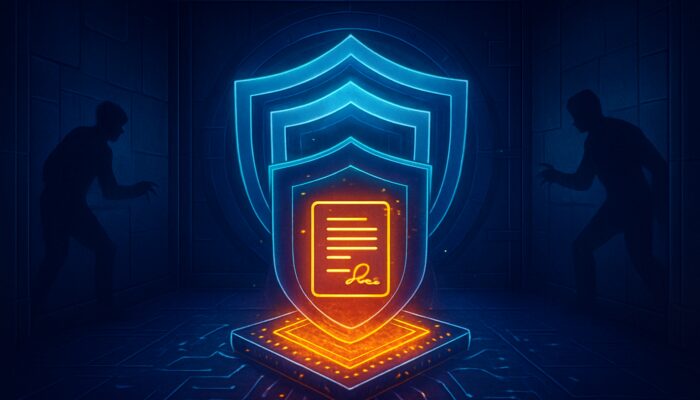
Smart contract audits entail a detailed evaluation of various risk factors, such as economic exploits and programming vulnerabilities. By recognizing these risks, auditors can suggest effective mitigation strategies that bolster overall security. This forward-thinking approach is vital for preventing future breaches in blockchain environments, where the stakes are considerable.
Mitigation strategies typically involve adopting best coding practices, performing extensive testing, and ensuring adherence to industry standards. Addressing these risks proactively enables organizations to strengthen their smart contracts against potential threats, enhancing their resilience in an ever-evolving digital landscape.
Insights from Experts on the Importance of Smart Contract Audits
What Do Experts Reveal About Vulnerability Patterns?
Professionals specializing in smart contract auditing analyze recurring patterns in code design, providing a detailed examination of how specific vulnerabilities arise. These flaws can affect overall functionality, particularly in projects of varying scales. Understanding these patterns is essential for developers striving to create secure and efficient contracts.
By reviewing past audits, experts can identify trends that highlight common pitfalls in smart contract development. This insight empowers teams to implement preventative measures and enhance their coding practices, ultimately resulting in more secure and dependable applications.
What Real-World Examples Highlight the Need for Audits?

Experts frequently present case studies that illustrate effective detection methods and resolution strategies. One notable example is the infamous DAO hack, which underscored the critical need for rigorous auditing by exposing significant vulnerabilities in smart contracts that had been overlooked. Such real-world instances emphasize the necessity of thorough audits to improve project outcomes.
Another significant case is the Parity wallet incident, where a flaw in the smart contract resulted in the loss of millions in funds. These examples serve as cautionary reminders, demonstrating how proper auditing can avert similar disasters and safeguard assets.
What Actionable Steps Can Experts Recommend for Code Improvement?
Expert recommendations include prioritized actions for refining smart contract implementations. These actionable steps are designed to ensure long-term stability and minimize exposure to common threats within smart contract environments. Suggestions may include embracing secure coding practices, conducting comprehensive testing protocols, and scheduling regular audits.
Developers should remain informed about the latest security trends and vulnerabilities. By continuously improving their code and adopting best practices, they can bolster the security and reliability of their smart contracts over time.
How Does the Audit Process Uncover Risks?
What Systematic Testing Procedures Are Used?
Auditors employ structured methodologies to simulate various scenarios, revealing hidden weaknesses that could jeopardize transaction accuracy and user trust. This systematic approach guarantees a thorough examination of the smart contract, identifying vulnerabilities that malicious entities might exploit.
Testing procedures often encompass both static and dynamic analysis, enabling auditors to assess the contract’s behavior under diverse conditions. By utilizing these methodologies, auditors can identify vulnerabilities and recommend essential improvements to enhance security.
Which Tools Are Essential for Comprehensive Audits?
Advanced software tools are indispensable for mapping out potential entry points for exploits. These tools assist auditors in conducting extensive scans, allowing for precise identification and categorization of risks based on their severity. Employing automated tools enhances both the efficiency and accuracy of the audit process.
Some widely utilized tools include Mythril, Slither, and Oyente, each offering distinct capabilities for detecting vulnerabilities in smart contracts. By leveraging these tools, auditors can perform thorough examinations of the code, ultimately leading to more secure smart contracts.
What Steps Follow Risk Detection in the Audit Process?
After identifying issues during the audit, detailed reports outline necessary corrective actions. These reports guide developers toward remediation that complies with best security practices. The clarity provided in these reports is critical for ensuring all identified problems are appropriately addressed.
Once vulnerabilities are identified, it is essential for developers to implement the recommended fixes promptly. This ensures that the smart contract remains secure and functional, mitigating the risk of future exploitation.
How Can Historical Data Trends Be Analyzed?
By reviewing past audit records and transaction histories, auditors can recognize patterns of recurring issues. This analysis enables proactive measures to mitigate similar risks in future operations, enhancing overall system reliability and security protocols. Understanding historical trends is crucial for continuous improvement in smart contract development.
Auditors can utilize this data to inform their strategies and focus on areas that have historically presented challenges. Learning from past experiences allows organizations to strengthen their smart contracts and decrease the likelihood of facing similar issues in the future.
Why Engage External Expert Consultations?
Specialized professionals offer unbiased evaluations of complex systems, uncovering subtle vulnerabilities that internal teams may overlook. Engaging external experts enhances the risk identification process by incorporating varied perspectives and advanced expertise in cybersecurity.
These consultations often result in more thorough audits and improved security measures. Collaborating with external experts ensures that smart contracts are scrutinized from multiple angles, ultimately leading to a more robust security posture.
Research-Backed Insights on the Importance of Smart Contract Audits
What Evidence Supports the Reduction of Exploit Rates?
Research indicates that audited contracts experience a lower frequency of successful attacks due to early intervention strategies. By addressing vulnerabilities before deployment, organizations can strengthen their defenses against an evolving threat landscape. This proactive approach significantly lowers the likelihood of exploitation.
Data supporting these findings underscores the importance of regular audits in sustaining secure smart contracts. Organizations that prioritize auditing are better equipped to protect their assets and maintain user trust in their systems.
What Are the Long-Term Advantages for Project Viability?
Consistent auditing contributes to sustained performance by minimizing downtime and preserving asset values. Organizations that engage in regular audits are more likely to identify and rectify issues before they escalate, ensuring smooth operations over time. This proactive maintenance is vital for long-term project viability.
Maintaining a secure and reliable smart contract nurtures user confidence and attracts new participants to the ecosystem. This positive feedback loop enhances the overall success of the project, highlighting the critical role of auditing in any smart contract strategy.
How Do Experts Analyze Efficiency Gains?
Specialists showcase measurable improvements in operational speed and resource allocation following the implementation of audit recommendations. By addressing vulnerabilities and optimizing code, organizations can improve the efficiency of their smart contracts, leading to quicker transaction times and reduced costs.
These efficiency gains are particularly significant in competitive markets, where speed and reliability can greatly influence user experience. Organizations that invest in thorough audits are better positioned to provide high-performance smart contracts that meet user expectations.
What Are the Steps Involved in Conducting a Smart Contract Audit?
How to Prepare and Define the Scope of the Audit?
The initial stages of a smart contract audit involve establishing clear objectives and boundaries for the review process. This focus ensures efforts are concentrated on critical areas of the contract code, allowing auditors to apply their expertise where it is most needed. Defining the scope is essential for maximizing the audit’s effectiveness.
By setting specific goals, auditors can tailor their methodologies to align with the project’s unique requirements. This targeted approach increases the likelihood of pinpointing vulnerabilities and ensures the audit yields valuable insights.
What Does the Execution of Detailed Examinations Involve?
Audit teams conduct line-by-line inspections combined with dynamic testing to uncover issues that static analysis might overlook. This meticulous examination is crucial for identifying subtle vulnerabilities that could lead to significant problems later. A comprehensive approach guarantees that every aspect of the audit is thoroughly explored.
Dynamic testing, in particular, allows auditors to observe the contract’s behavior in real-time, providing insights that static analysis may fail to reveal. This extensive evaluation is critical for ensuring the security and reliability of the smart contract.
How Is Final Reporting and Verification Conducted?
Detailed documentation follows each audit, outlining findings and recommendations. Verification steps confirm that all identified issues have been adequately addressed prior to final approval. This thorough reporting process is vital for guaranteeing that the smart contract meets established security standards.
The final report serves as a valuable reference for developers, detailing necessary fixes and enhancements. This documentation is crucial for maintaining transparency and accountability throughout the auditing process.
What Is Involved in Issue Remediation and Retesting?
Developers are responsible for addressing the vulnerabilities highlighted in the audit findings. After implementing the required fixes, auditors conduct additional tests to ensure that corrections have been effectively applied and that no new issues have arisen during the remediation process. This iterative approach is essential for maintaining the security of the smart contract throughout its lifecycle.
Retesting is a critical phase in the audit process, as it verifies the success of the remediation efforts. By thoroughly examining the updated code, auditors can assure stakeholders that the smart contract is now more resistant to potential threats.
What Does Compliance Verification and Archiving Entail?
The concluding steps of the audit process involve confirming that all regulatory requirements are met through detailed assessments. This compliance verification is crucial for organizations operating in regulated environments, where adherence to legal standards is essential. Following this, secure storage of all audit materials is important for future reference and any potential legal or operational needs.
Archiving audit documentation enables organizations to maintain a historical record of their security efforts. This can be invaluable for demonstrating compliance and due diligence in the event of future inquiries or audits.
Best Practices for Maintaining Ongoing Security
What Are the Protocols for Regular Contract Updates?
Keeping smart contracts updated involves scheduled reviews to integrate new protections against emerging vulnerabilities. Regular updates ensure that contracts remain secure and functional, adapting to the evolving threat landscape. Organizations must prioritize these updates to sustain optimal performance levels.
By establishing a protocol for regular updates, teams can address known vulnerabilities and enhance the overall security posture of their smart contracts. This proactive strategy is essential for maintaining user trust and confidence in the deployed solutions.
What Are the Key Benefits of Continuous Monitoring Strategies?
Regular checks enable swift responses to anomalies, safeguarding system health and user confidence in deployed solutions. Key benefits of continuous monitoring strategies include:
- Rapid detection of vulnerabilities
- Improved incident response times
- Enhanced user trust and satisfaction
- Proactive risk management
- Long-term cost savings
- Informed decision-making based on real-time data
- Compliance with regulatory standards
- Increased operational efficiency
These advantages underscore the significance of ongoing security maintenance in ensuring the long-term success of smart contracts. Organizations that emphasize continuous monitoring are better equipped to address emerging threats.
How to Train Teams on Security Awareness?
Educational initiatives equip developers with the knowledge needed to adopt secure coding practices, thereby reducing the likelihood of introducing flaws in future iterations. Training sessions can encompass topics such as best practices for smart contract development, common vulnerabilities, and effective testing methodologies.
By cultivating a culture of security awareness, organizations empower their teams to prioritize security in every aspect of the development process. This proactive mindset is essential for minimizing risks and enhancing the overall security of smart contracts.
What Role Do Automated Vulnerability Scanning Procedures Play?
Conducting periodic automated security audits using specialized tools can promptly identify vulnerabilities in deployed contracts. These automated scans enable teams to address issues swiftly, maintaining robust protection levels throughout the system’s lifecycle. Automation enhances the efficiency of the auditing process, facilitating more frequent assessments.
By integrating automated scanning procedures into their security protocols, organizations can ensure that their smart contracts remain resilient against evolving threats. This ongoing vigilance is crucial for maintaining user confidence and protecting valuable assets.
Frequently Asked Questions
What Is Involved in a Smart Contract Audit?
A smart contract audit is a comprehensive evaluation of the code within a smart contract aimed at identifying vulnerabilities, logic errors, and security flaws before deployment. This process ensures that the contract operates as intended and is safeguarded against potential attacks.
Why Are Smart Contract Audits Essential?
Smart contract audits are vital for ensuring the security and reliability of decentralized applications. They prevent financial losses, enhance user trust, and ensure compliance with regulatory standards, ultimately contributing to the project’s success.
How Frequently Should Smart Contracts Be Audited?
Smart contracts should undergo auditing prior to deployment and regularly thereafter, especially following significant updates or changes. Continuous monitoring and periodic audits are critical for maintaining security and addressing emerging vulnerabilities.
What Common Vulnerabilities Are Found in Smart Contracts?
Common vulnerabilities include reentrancy attacks, logic errors, gas limit issues, improper access controls, and insufficient error handling. Identifying and correcting these vulnerabilities is crucial for securing smart contracts.
Who Performs Smart Contract Audits?
Smart contract audits are usually conducted by specialized firms or independent security experts with expertise in blockchain technology and cybersecurity. These professionals possess the knowledge and tools necessary for a thorough assessment of smart contracts.
What Tools Are Utilized for Smart Contract Audits?
Tools frequently employed for smart contract audits include Mythril, Slither, Oyente, and Manticore. These tools assist auditors in identifying vulnerabilities and ensuring the security of smart contracts through automated analysis.
Can Smart Contracts Be Updated After Deployment?
Yes, smart contracts can be updated post-deployment, but this requires careful planning. Upgradable contracts typically utilize proxy patterns to allow modifications without losing the original contract’s state or data.
What Is the Cost of a Smart Contract Audit?
The cost of a smart contract audit varies based on factors such as contract complexity, the auditing firm’s reputation, and the depth of the audit. Prices can range from a few thousand to tens of thousands of dollars.
How Long Does a Smart Contract Audit Take?
The duration of a smart contract audit depends on the complexity of the contract and the auditor’s workload. Typically, audits can take anywhere from a few days to several weeks to complete.
What Actions Should Be Taken If Vulnerabilities Are Discovered During an Audit?
If vulnerabilities are identified during an audit, developers should prioritize addressing these issues based on their severity. Implement the recommended fixes, conduct retesting, and ensure that the contract adheres to security standards before deployment.